
Blog / Ford Edge

What’s the Difference Between the Ford Edge and Ford Escape?

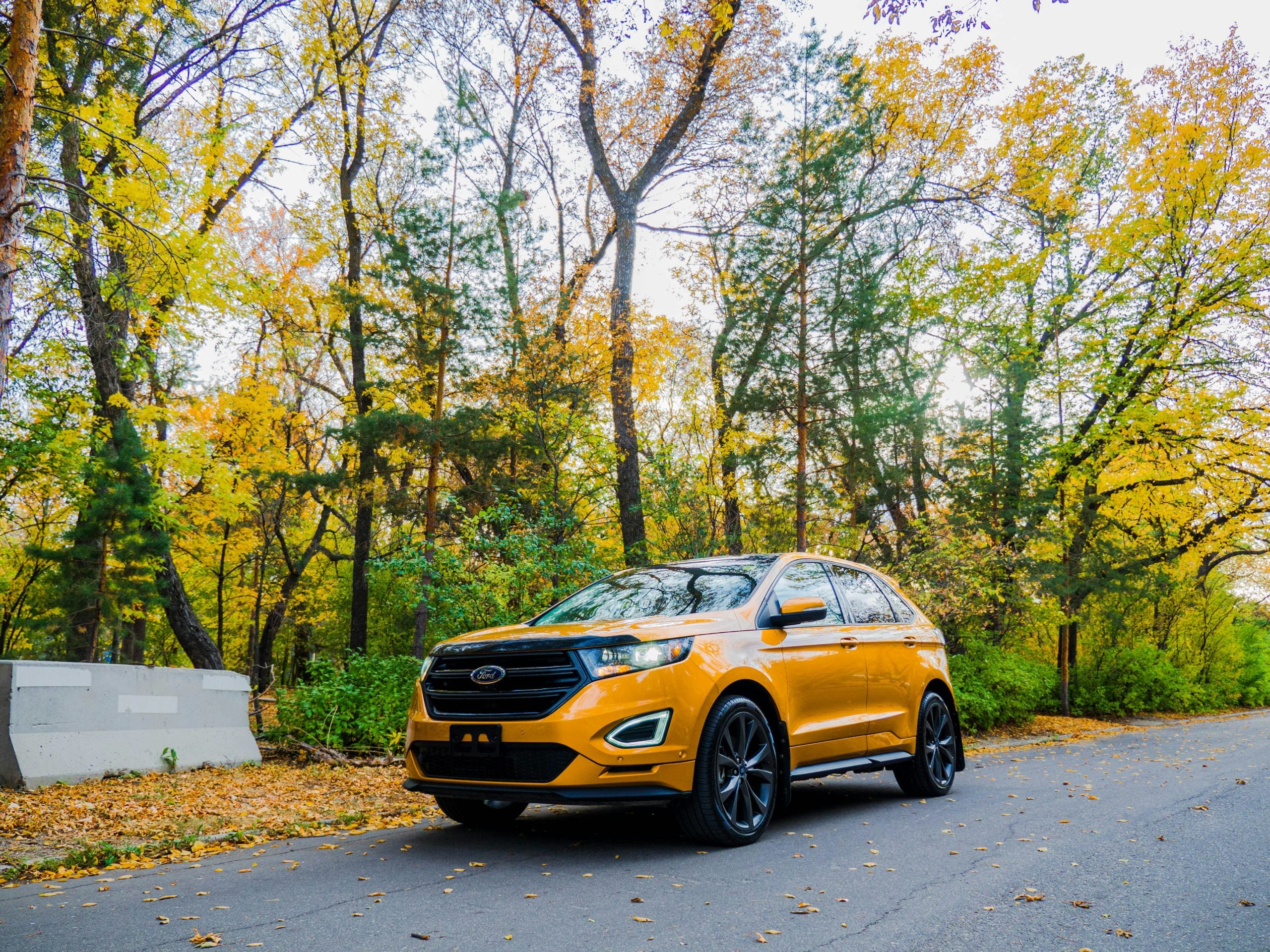
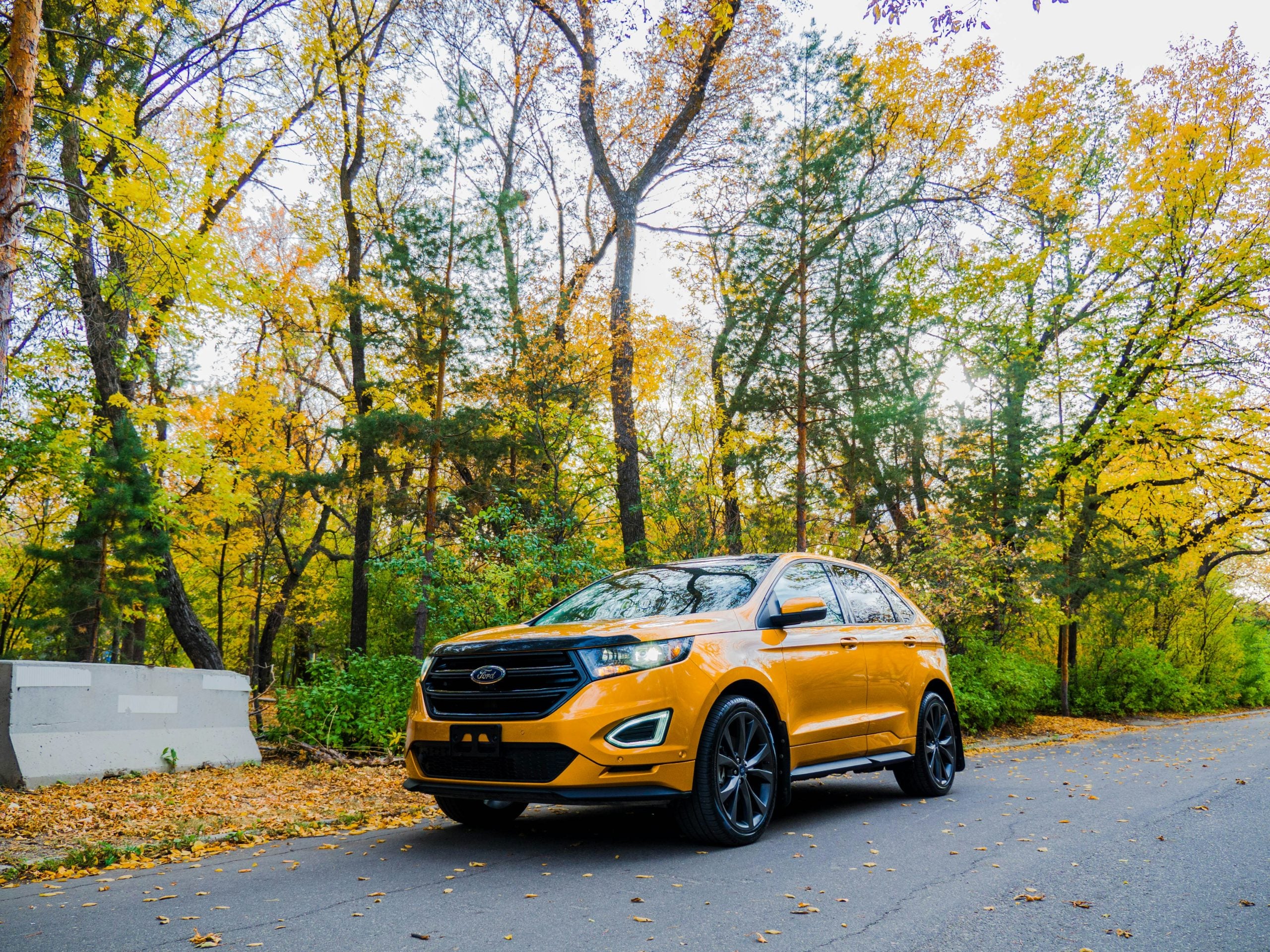
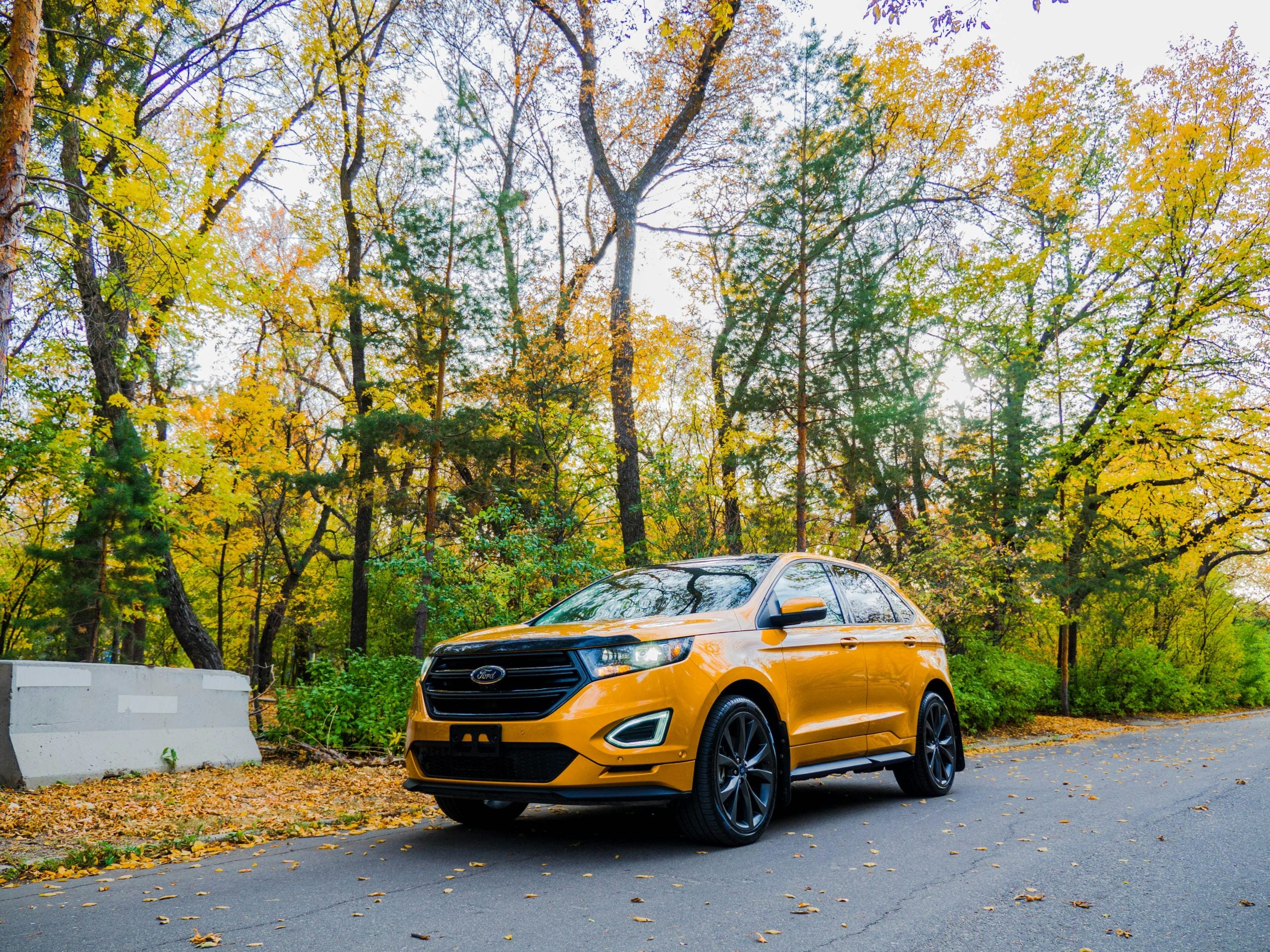
2016 Ford Edge parked on road surrounded by trees

Choosing between two solid Ford SUVs can feel overwhelming when both seem to check your boxes. The Edge and Escape share the Ford badge, but they're built for different needs. One delivers midsize muscle and space, while the other offers compact agility and efficiency. At John Kennedy Ford of Conshohocken, understanding what sets them apart helps you make the right choice for your daily drive through Conshohocken or weekend adventures beyond Philadelphia.

Edge vs Escape at a Glance: Key Differences for Conshohocken Drivers

The Ford Edge and Ford Escape serve different purposes despite sharing some family traits. The Edge stands as a midsize SUV with a commanding presence, while the Escape takes the compact route. This fundamental split creates a ripple effect across everything from passenger comfort to fuel costs.

Size matters when you're navigating tight King of Prussia parking lots or loading up for a trip to the Poconos. The Edge gives you more room for both people and gear, making it the go-to for families who need space without jumping to a full-size vehicle. The Escape shines in urban settings where maneuverability beats bulk.

Premium features are more common in Edge trim levels. You'll find higher-quality materials and more advanced tech options as you climb the Edge lineup. The Escape focuses on practical features that work for everyday drivers who want capability without luxury pricing.

Size, Dimensions, and Cargo Space Comparison

The size difference becomes obvious when you see them side by side. The Edge stretches longer, wider, and taller than its compact sibling, translating to meaningful interior space that passengers notice right away.

SpecificationFord EdgeFord Escape
Wheelbase112.2 in106.7 in
Overall Length188.8 in180.5 in
Body Width75.9 in74.1 in
Height68.3 in66.1 in
Passenger Volume113.9 cu. ft.104 cu. ft.
Cargo Space (seats up)39.2 cu. ft.37.5 cu. ft.
Max Cargo (seats folded)73.4 cu. ft.65.4 cu. ft.
Curb Weight4,122 lbs3,451 lbs

The Edge measures about 8.7 inches longer with a 5.5-inch longer wheelbase and stands 2.3 inches taller. This translates to substantially more maximum cargo room when you fold down the rear seats, making a real difference when you're hauling sports equipment, moving supplies, or packing for vacation.

Both SUVs seat five comfortably, yet the dimensions create different experiences. The Edge offers more legroom and shoulder space, reducing cramped feelings on longer drives. The Escape's compact footprint makes parallel parking on Ridge Pike or navigating Montgomery County streets much easier.

The Escape includes a clever sliding rear seat feature in many trims, letting you prioritize passenger comfort or cargo space depending on your needs. The Edge relies on its larger overall dimensions rather than adjustable seating tricks.

Engine Performance and Fuel Economy

Power and efficiency represent a clear tradeoff between these models. The specs tell the story:

SpecificationFord EdgeFord Escape
Standard Engine2.0L EcoBoost I-4Turbo 1.5L 3-cylinder
Standard HP/Torque250 hp / 280 lb-ft180 hp / 199 lb-ft
Standard Fuel Economy21 city / 28 hwy27 city / 34 hwy
Available Engine2.7L EcoBoost V6 (335 hp)2.0L EcoBoost I-4 (250 hp)
Hybrid OptionNot available2.5L (192 hp combined)
Hybrid MPGN/A42 city / 36 hwy
Plug-in HybridNot available2.5L (210 hp combined)
PHEV EconomyN/A40 combined / 101 MPGe
DrivetrainStandard AWDFWD standard, AWD available
Towing Capacity3,500 lbs2,000 lbs (gas) / 3,500 lbs (hybrid)

The Edge's available V6 engine delivers robust horsepower, making merging onto I-76 feel effortless. This extra power proves valuable when towing a boat or trailer to your weekend destination.

Fuel economy gives the Escape the advantage. The compact SUV sips gas more efficiently, especially when you opt for a hybrid or plug-in hybrid. These efficient powertrains appeal to drivers who rack up miles commuting and want fewer trips to the pump.

Your driving patterns should guide this decision. Frequent highway cruising and towing needs favor the Edge's stronger engines. City commuting and eco-conscious driving make the Escape's efficiency more valuable.

Comfort and Technology for Daily Driving

Interior Design and Cabin Comfort

Step inside either SUV and you'll find modern technology designed to keep you connected and entertained. The Edge typically features more refined interior surfaces with upgraded upholstery and trim materials that feel premium to the touch.

Climate control and seat comfort are available on both models. The Edge edges ahead with available massaging front seats, heated and ventilated seating options, and more sophisticated dual-zone automatic climate systems in premium trims. The Escape includes standard Co-Pilot360™ safety features and an available Vista Roof® panoramic sunroof.

Infotainment Technology and Interior Flexibility

Infotainment screens grow larger in Edge models, particularly in higher trims. The Edge often includes a 12-inch touchscreen, SYNC 4, more advanced audio systems, and additional USB ports. The Escape offers an 8-inch touchscreen or, available, a 13.2-inch touchscreen, keeping things straightforward with features that work well without unnecessary complexity.

The Escape's practical interior design includes that sliding rear seat, giving you the flexibility the Edge can't match. You can prioritize passenger knee room or shift forward to create extra cargo space. This adaptability suits buyers who need their SUV to handle varied tasks throughout the week.

Safety Features and Ratings Comparison

Safety technology doesn't distinguish these SUVs significantly. Both offer comprehensive driver-assistance features, including automatic emergency braking, blind-spot monitoring, and lane-keeping assist. The Edge offers Co-Pilot360™ as available equipment, while the Escape includes it standard.

Advanced features like adaptive cruise control and intersection assist are available across both model ranges. The specific availability depends more on trim level than on which SUV you choose. Higher trims pack more sophisticated safety systems, whether you're looking at an Edge or an Escape.

Both SUVs earn their reputation as safe family vehicles. Our team at John Kennedy Ford of Conshohocken can walk you through current NHTSA and IIHS ratings during your visit, helping you understand how each model performs in crash testing and real-world scenarios.

Pricing: Ford Edge vs Ford Escape Cost Breakdown

Budget considerations often narrow your decision quickly. The Escape carries a noticeably lower starting price than the Edge, making it a more accessible option for buyers who want Ford quality without stretching their budget.

The Edge's higher starting price reflects its midsize classification and standard features. You're paying for more metal, more space, and typically more equipment right from the entry trim. As you climb through trim levels, both SUVs offer packages that can push prices substantially higher.

Value calculations get personal based on what you actually need. The Escape delivers strong value if you don't require extra space and prioritize fuel savings over time. The Edge justifies its premium when you regularly use that extra cargo room or towing capacity. Current incentives at John Kennedy Ford of Conshohocken can shift the affordability equation in your favor.

Long-term ownership costs favor the Escape's better fuel economy. The Edge typically maintains its resale value well, thanks to strong demand for midsize SUVs.

Which Ford SUV Is Right for Your Lifestyle?

Best Scenarios for the Ford Escape

City drivers find their match in the Escape. Maneuvering through Philadelphia traffic, squeezing into tight Wayne parking spots, and navigating narrow streets become less stressful in a compact SUV. The turning radius and overall dimensions make urban life easier.

Fuel efficiency matters when you're commuting daily. Hybrid Escape models can slash your annual fuel bill significantly compared to the larger Edge, especially if you're covering serious mileage between home and work.

Singles, couples, or small families who rarely fill all five seats should seriously consider the Escape. You get all the benefits of SUV versatility without paying for space you don't regularly use. The cargo area handles everyday needs like groceries, gym bags, and occasional Home Depot runs without issue.

Environmental consciousness drives some buyers toward the Escape's hybrid and plug-in options. These powertrains reduce your carbon footprint while maintaining SUV practicality. The Edge doesn't currently offer these eco-friendly alternatives.

Best Scenarios for the Ford Edge

Families with multiple kids need the Edge's extra space. Three car seats fit more comfortably across the rear bench, and growing teenagers actually have shoulder room. The additional cargo capacity means everyone's sports equipment, band instruments, or camping gear fits without having to play Tetris.

Road trippers appreciate what the Edge brings to long drives. More interior space reduces the claustrophobic feeling on eight-hour hauls to the beach or mountains. Extra cargo room means you don't have to choose between bringing everything you want or cramming bags into the overhead bins.

Towing requirements push you toward the Edge quickly. Boat owners, small-trailer haulers, or anyone who occasionally needs to tow a load will find the Edge's 3,500-pound capacity essential. The Escape can tow light loads, but the Edge handles the job with more confidence.

Power matters when you regularly drive with a full passenger load or navigate mountainous terrain. The Edge's stronger engine options deliver passing power and hill-climbing ability that the Escape can't match.

Experience These SUVs at John Kennedy Ford of Conshohocken

Comparing the Escape and Edge is easier when you can see how each SUV fits your daily routine and driving needs. At John Kennedy Ford of Conshohocken, our team is available to help you explore both models, answer questions, and guide you toward the option that aligns with your priorities.

Schedule your test drive online or call our sales team at 267-215-4257. Taking the time to review your options can help ensure you choose an SUV that feels right for your lifestyle and long-term ownership goals.
Posted in:

Related Posts

2016 Ford Edge parked on road surrounded by trees

Ford Edge Competitors: Top SUV Rivals Compared

The Ford Edge is making a name for itself in the SUV scene. With a cool mix of style, performance, and tech, it's got something for everyone. But if you're thinking about buying an Edge, it's a good idea to check out what else is out there. This article takes a closer look at some of the Edge's main competitors, breaking down their features, performance, and overall value to help you decide what's best for you. more New Edge Inventory The Competitive Landscape of the Ford Edge The midsize SUV segment is fiercely competitive, with several manufacturers vying for consumer attention. The Ford Edge holds its ground against popular models such as the Honda CR-V, Mazda CX-5, and Chevrolet Equinox. Each of these SUVs boasts unique features and advantages that cater to different preferences and lifestyles. As you explore your options, it's important to compare the Ford Edge against these rivals to find the perfect vehicle for your needs. In-Depth Comparison: Ford Edge vs. Major Competitors Let's take a closer look at the Ford Edge's competitors in the midsize SUV market: Ford Edge vs. Honda CR-V The Mazda CX-5 is fun to drive thanks to a turbocharged 2.5-liter engine that cranks out 256 horsepower and 320 lb-ft of torque. Its upscale interior features a 10.3-inch infotainment screen and cozy leather seats. The Ford Edge gives you more room to stretch out, offering 39.2 cubic feet of cargo space behind the back seats. It also offers beefier engine choices, such as a 2.7-liter EcoBoost V-6 with 335 horsepower and 380 lb-ft of torque. The CX-5 is great if you want agility and good gas mileage, hitting up to 25 mpg combined. The Edge offers cool safety features such as the Ford Co-Pilot360 and is more family-friendly, perfect for longer trips where you need extra space and comfort. Ford Edge vs. Mazda CX-5 The Honda CR-V consistently ranks highly on many SUV comparison tools, and for good reason. It has a roomy interior with up to 76.5 cubic feet of cargo space, plus it gets great gas mileage, hitting up to 40 mpg combined in the hybrid versions. It also holds its value well. If you're looking for reliability and sweet features such as the Honda Sensing safety package, the CR-V is a solid choice. Families wanting more space will probably prefer the CR-V, but if you're all about performance, you might prefer the Ford Edge with its strong power and available all-wheel drive. Ford Edge vs. Chevrolet Equinox The Ford Edge stands out with its advanced technology suite, featuring the intuitive SYNC 4A system with a 12-inch touch screen, seamless wireless Apple CarPlay and Android Auto integration, and Ford Power-Up software updates that enhance the vehicle over time. Safety is a big deal, too, thanks to the Ford Co-Pilot360, which includes handy driver-assistance features such as forward collision warning with automatic emergency braking, blind-spot monitoring, and rear cross-traffic alert. The Chevy Equinox also boasts impressive tech, including the Chevrolet Infotainment 3 System with a 7-inch or 8-inch touch screen and standard safety features such as automatic emergency braking and lane-keep assist. The Ford Edge's larger touch screen, over-the-air updates, and more extensive driver-assistance features give it a technological edge over the Equinox, making it a more compelling choice if you're tech-savvy. Critical Evaluation Factors for SUV Buyers When considering which SUV to purchase, you need to weigh several factors. Here's what you should keep in mind: Performance: Look for engine options that suit your driving style, whether you prefer a fuel-efficient ride or a powerful engine for towing. Interior space: Check cargo capacity and passenger room to ensure everyone stays comfortable on long trips. Tech features: Infotainment systems, connectivity options, and safety features can significantly impact your driving experience. Fuel economy: Compare the fuel statistics to find a vehicle that aligns with your budget. Price point: Evaluate your budget, factoring in not just the purchase price but also long-term ownership costs, including maintenance and insurance. Predicting Future Trends in the SUV Segment That Could Influence Your Decision Looking ahead, there are a few key trends that could change the game for SUVs. Electric Vehicles First off, we're seeing a big move toward electric vehicles. Many automakers, including Ford, are designing electric versions of its popular rides. This shift means cleaner options for you, plus better performance and efficiency. If Ford makes the 2025 Ford Edge, it will likely introduce a hybrid version as part of its commitment to sustainability and the growing demand for electric vehicles. Automated Driving Advancements in autonomous driving technology are also becoming more prevalent, with features such as adaptive cruise control, lane-keep assist, and automated parking becoming standard in many new Ford SUVs. These innovations not only enhance safety but also provide a more convenient and enjoyable driving experience. Advanced Technology Another trend involves an increase in advanced technology integration. From driver-assistance features to connectivity options, you can expect more from your SUV in terms of tech. The Ford Edge already incorporates many of these innovations, but staying ahead of the curve will be essential for maintaining its competitive edge. Making an Informed Choice in the Competitive SUV Market In the competitive world of SUVs, the Ford Edge holds its ground against the Honda CR-V, Mazda CX-5, and Chevrolet Equinox. Each model offers unique strengths, but the Edge stands out for its performance, technology, and spaciousness. During your search, prioritize what matters to you and measure how each SUV stacks up. If you're ready to explore, check out our new inventory at John Kennedy Ford of Conshohocken. You can schedule a test-drive to experience the Ford Edge and its competitors firsthand. Don't hesitate to reach out; we're here to help you find the perfect SUV that fits your lifestyle.

2016 Ford Edge parked on road surrounded by trees

Ford Edge vs. Ford Escape: Key Differences

The Ford Edge and Ford Escape are two popular options in Ford's SUV lineup, each catering to different preferences and needs. The Edge, a midsize SUV, offers a spacious interior and powerful performance, while the Escape, classified as a compact SUV, provides excellent fuel efficiency and agility. Understanding the differences between these two models is essential, as it helps you determine which vehicle aligns best with your lifestyle and requirements. more Ford Edge Inventory Ford Escape Inventory Schedule a Test Drive Design and Dimensions Ford Escape 2.5 FHEV Titanium AWD 2024 by RL GNZLZ is licensed with CC BY-SA 2.0 The Ford Edge's design stands out with its bold and aggressive styling, pronounced lines, and wider stance. It appeals to those who prefer a more commanding road presence. In contrast, the Ford Escape features a more modern and sleek design, ideal for urban environments and easy maneuverability. At 188.8 inches long, 75.9 inches wide without mirrors, and 68.3 inches high, the Ford Edge provides ample interior space. Conversely, the Escape's compact dimensions — with length, width, and height at 181.2, 74.1, and 66.1 inches — make it easier to navigate tight city streets. Performance Specifications The Ford Edge offers more power than the Escape. Except for the ST, all Edge trims come with a 2.0-liter EcoBoost I-4 turbo engine, producing 250 horsepower and 280 pound-feet of torque and paired with an eight-speed automatic transmission. EPA-estimated fuel economy ratings for models with this engine are 21 mpg in the city and 28 mpg on the highway. The other option is a 2.7-liter EcoBoost V-6 twin-turbo engine that pairs with a seven-speed automatic transmission and delivers 335 horsepower and 380 pound-feet of torque. Fuel efficiency is slightly lower, at 19/25/21 mpg city/highway/combined. All Ford Edge models have an intelligent all-wheel-drive (AWD) configuration. The Ford Escape has three engine options. The first is a 2.5-liter iVCT I-4 paired with an eCVT. This produces 155 pound-feet of torque and a total output of 192 horsepower and 210 horsepower for the hybrid and plug-in hybrid setups, respectively. The other is a 1.5-liter EcoBoost I-3 with 180 horsepower and 199 pound-feet of torque. The last option is a 2.0-liter EcoBoost I-4 with an output of 250 hp and 280 pound-feet of torque. These two EcoBoost engines pair with an eight-speed automatic transmission. The Escape is either front- or all-wheel drive. Technology and Interior Features The Ford Edge and Ford Escape come with enhanced safety and convenience features. The Edge includes the advanced SYNC 4A infotainment system with a 12-inch touch screen, allowing for an intuitive user experience. Additional perks include wireless charging and an optional B&O Sound System by Bang & Olufsen. The Ford Escape includes the SYNC 4 infotainment system with an 8-inch touchscreen. It also offers an available head-up display, a 10-speaker B&O Sound System, and a 13.2-inch touch screen. Both SUVs feature numerous storage compartments and interior lights for added comfort. It also incorporates the Ford Co-Pilot360 suite, which includes several safety features aimed at protecting both you and your passengers. Pricing and Value Comparing the Ford Edge vs. Escape price, the latter is more accessible. The 2024 Escape's trims and starting MSRP's are: Active: $29,495 ST-Line: $30,490 ST-Line Select: $33,540 ST-Line Elite: $37,960 Platinum: $36,965 Plug-In Hybrid: $40,500 The 2024 Ford Edge is the more upscale option. Its premium features cater to buyers seeking a luxurious driving experience. Here's a quick look at the 2024 Edge's trim levels and prices: SE: $38,465 SEL: $39,665 ST-Line: $43,720 Titanium: $43,820 ST: $47,205 Cargo Space and Practicality Both the Ford Edge and Ford Escape prioritize practicality, featuring generous cargo space tailored to various needs. The Ford Edge boasts an impressive 39.2 cubic feet of cargo volume behind the second row, expanding to a maximum of 73.4 cubic feet. This makes it ideal for families and outdoor enthusiasts who require ample room for gear. In contrast, if you're wondering how big is a Ford Escape, it offers 37.5 cubic feet behind the second row and a total capacity of 65.4 cubic feet. This compact size still caters well to smaller families or individuals needing functional space for everyday use. Ride Comfort and Driving Experience With a curb weight of 4,122 pounds and a longer wheelbase, the Edge delivers a smooth and stable ride, ideal for long-distance travel. Its heft and design provide a comfortable driving experience, even over bumpy roads. At a lighter weight of 3,273 pounds, drivers praise the Escape for its agility and ease of handling. This makes it particularly suitable for navigating urban environments, where quick maneuvers and parking in tight spaces are often necessary. Whether you prefer a robust, stable ride or a nimble, agile SUV can significantly influence your decision. Towing Capacity and Off-Road Capability Both the Ford Edge and Ford Escape feature a maximum towing capacity of 3,500 pounds, making them suitable for light towing tasks. Both models offer an available intelligent AWD system that enhances their off-road capabilities. While neither vehicle is suitable for extreme off-road use, this feature provides better traction and stability on uneven terrain or in adverse weather conditions. Pros and Cons Summary The Ford Edge features spacious interior, higher standard horsepower, and larger cargo capacity. However, its higher starting price, lower fuel efficiency, and larger dimensions may be drawbacks, particularly if you live in an urban setting. Conversely, the Ford Escape boasts better fuel economy, a lower starting price, and nimbler handling. Its compact size and agility make it easier to navigate city streets. However, the Escape's less powerful base engine, smaller cargo area, and comparatively less premium feel may deter you if you're seeking a more luxurious experience. Your Next Steps with John Kennedy Ford Conshohocken Deciding which is better, the Ford Edge or Escape, will ultimately depend on your individual needs and lifestyle preferences. Visit us at John Kennedy Ford Conshohocken to experience both models in person. Our team is ready to assist you with any questions and offer financing options tailored to your budget. You can also contact us to schedule a test-drive and find out more about the new Ford Edge and Ford Escape SUVs in our inventory.

ford-bronco-vs-bronco-sports

Bronco vs. Bronco Sport: What's the Difference? | John Kennedy Ford

Ford Bronco Sport vs. Bronco: What's the Difference? It's one of the most common questions we hear at John Kennedy Ford of Conshohocken: what's actually different between the Ford Bronco Sport and the full-size Ford Bronco? They share a name, a retro-inspired design language, and an adventurous spirit, but underneath the similar looks, these are two genuinely different vehicles built for different types of drivers. Here's a complete breakdown to clear up the confusion once and for all. Quick Comparison: Bronco Sport vs. Bronco Starting MSRP — Bronco Sport: $33,840 | Bronco: $40,495 Platform — Bronco Sport: unibody (car-based), shares its architecture with the Ford Escape | Bronco: body-on-frame, purpose-built off-road chassis Doors and Roof — Bronco Sport: fixed doors and roof | Bronco: removable doors and roof, hardtop or soft top Standard Engine — Bronco Sport: 1.5L EcoBoost Turbo I3, 181 hp / 190 lb-ft | Bronco: 2.3L EcoBoost Turbo I4, 300 hp / 325 lb-ft Top Available Engine — Bronco Sport: 2.0L EcoBoost Turbo I4, 250 hp / 277 lb-ft (Badlands) | Bronco: 2.7L EcoBoost V6, 330 hp / 415 lb-ft (Raptor goes to 418 hp) Transmission — Bronco Sport: 8-speed automatic only | Bronco: 7-speed manual (with dedicated crawler gear) or 10-speed automatic Max Towing — Bronco Sport: up to 2,700 lbs | Bronco: up to 4,500 lbs (Raptor) Max Cargo Volume — Bronco Sport: up to 65.2 cu ft | Bronco (4-door): up to 146.5 cu ft Trim Levels — Bronco Sport: 4 trims (Big Bend, Heritage, Outer Banks, Badlands) | Bronco: 7 trims (Base, Big Bend, Outer Banks, Badlands, Heritage Edition, Stroppe Edition, Raptor) The Biggest Difference: What's Underneath This is the single most important distinction between these two SUVs, and it explains almost every other difference on this list. The Bronco Sport is built on a unibody platform — the same basic car-based architecture used by the Ford Escape — which makes it more compact, easier to park, and more car-like to drive around town. The full-size Bronco, on the other hand, uses a true body-on-frame design, the same fundamental construction method used by serious off-roaders and pickup trucks. That body-on-frame architecture is what allows the Bronco to offer removable doors and a removable roof, something the Bronco Sport's unibody construction simply doesn't support. Size, Power, and Everyday Practicality The Bronco Sport is the more compact, efficient, and budget-friendly option, starting at $33,840 with a standard turbocharged three-cylinder engine that's well-suited to daily commuting and light trail use. Every Bronco Sport comes standard with 4x4 and up to five G.O.A.T. Modes (Goes Over Any Type of Terrain), giving it genuine light off-road credibility in a package that's easy to live with every day. The full-size Bronco starts higher at $40,495 but delivers significantly more capability across the board: more standard horsepower (300 hp vs. 181 hp), more available power at the top of the lineup (up to 418 hp in the Raptor versus 250 hp in the Bronco Sport Badlands), more towing capacity, and dramatically more cargo space in four-door form. It also offers a genuine 7-speed manual transmission with a dedicated crawler gear — something you won't find anywhere in the Bronco Sport lineup, which is automatic-only. Which One Should You Choose? If you want a more affordable, easy-to-park SUV with genuine light off-road ability, standard 4x4, and lower running costs for daily commuting around Conshohocken and the Main Line, the Bronco Sport is the smarter choice. If you want the full open-air experience with removable doors and roof, serious trail capability, a manual transmission option, and significantly more power and cargo room, the full-size Bronco is built for you. Both wear the Bronco name proudly — they're just built for very different adventures. See Both Broncos for Yourself Visit John Kennedy Ford of Conshohocken to test drive the Bronco Sport and the full-size Bronco side by side. View Bronco Inventory View Bronco Sport Inventory Schedule a Test Drive Proudly Serving Conshohocken and the Surrounding Communities John Kennedy Ford of Conshohocken is a convenient destination for Bronco and Bronco Sport shoppers throughout Montgomery County and the greater Philadelphia area. We're proud to serve drivers from: Conshohocken, PA West Conshohocken, PA Plymouth Meeting, PA Norristown, PA Blue Bell, PA Whitemarsh, PA Lafayette Hill, PA King of Prussia, PA Ambler, PA Villanova, PA Spring House, PA Fort Washington, PA No matter which of these communities you call home, our Conshohocken showroom is just a short drive away. Browse our full new Ford inventory or visit our homepage to learn more about financing, trade-ins, and current offers. Pricing, specifications, and third-party data referenced above are current as of publication and sourced from Ford.com, Edmunds, Kelley Blue Book, and TrueCar. Specs and pricing are subject to change by the manufacturer and may not include destination fees, taxes, title, or dealer charges. See John Kennedy Ford of Conshohocken for current pricing, incentives, and availability.