
Blog / Best Years

Which Ford Raptor Years Are the Best to Buy?

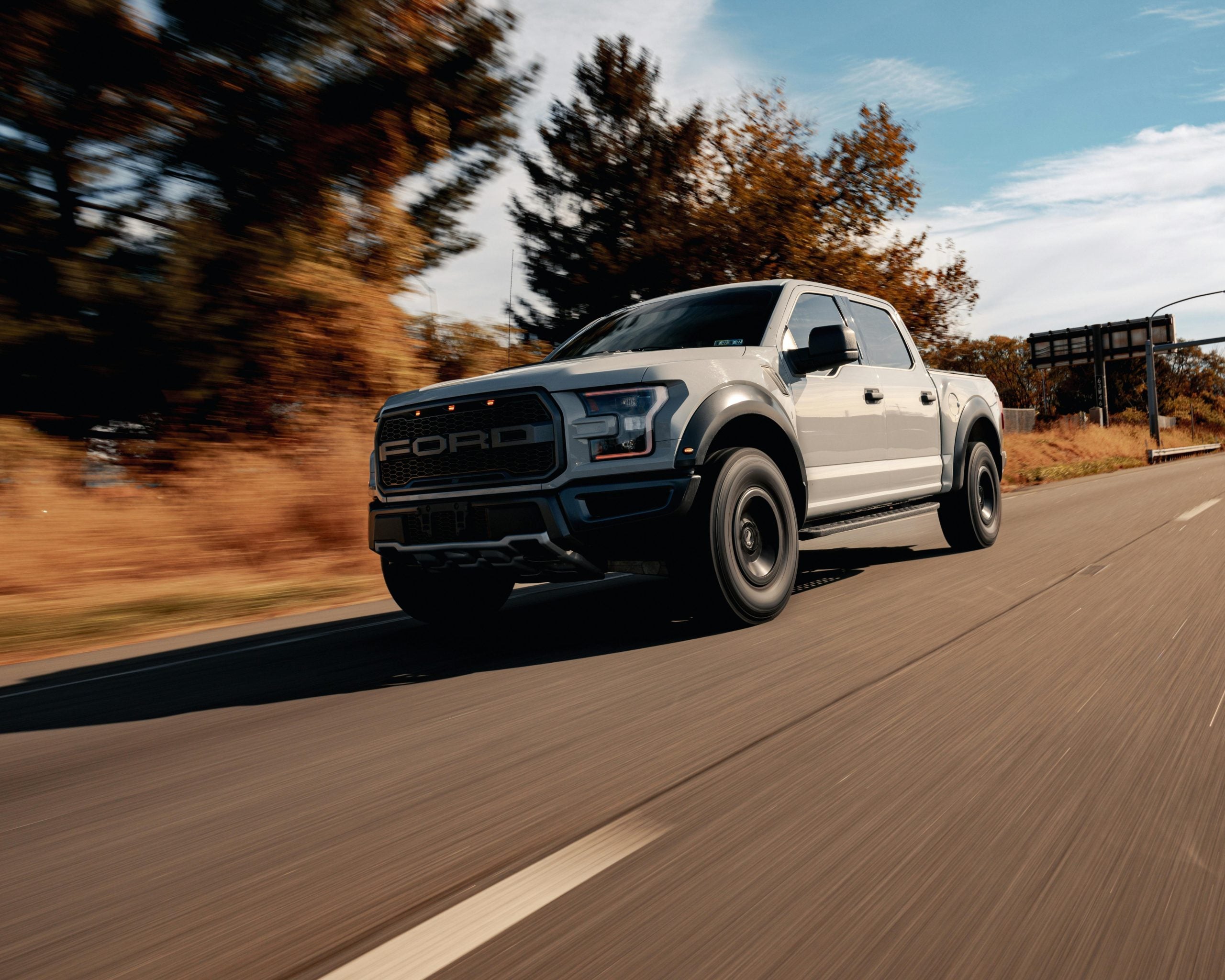
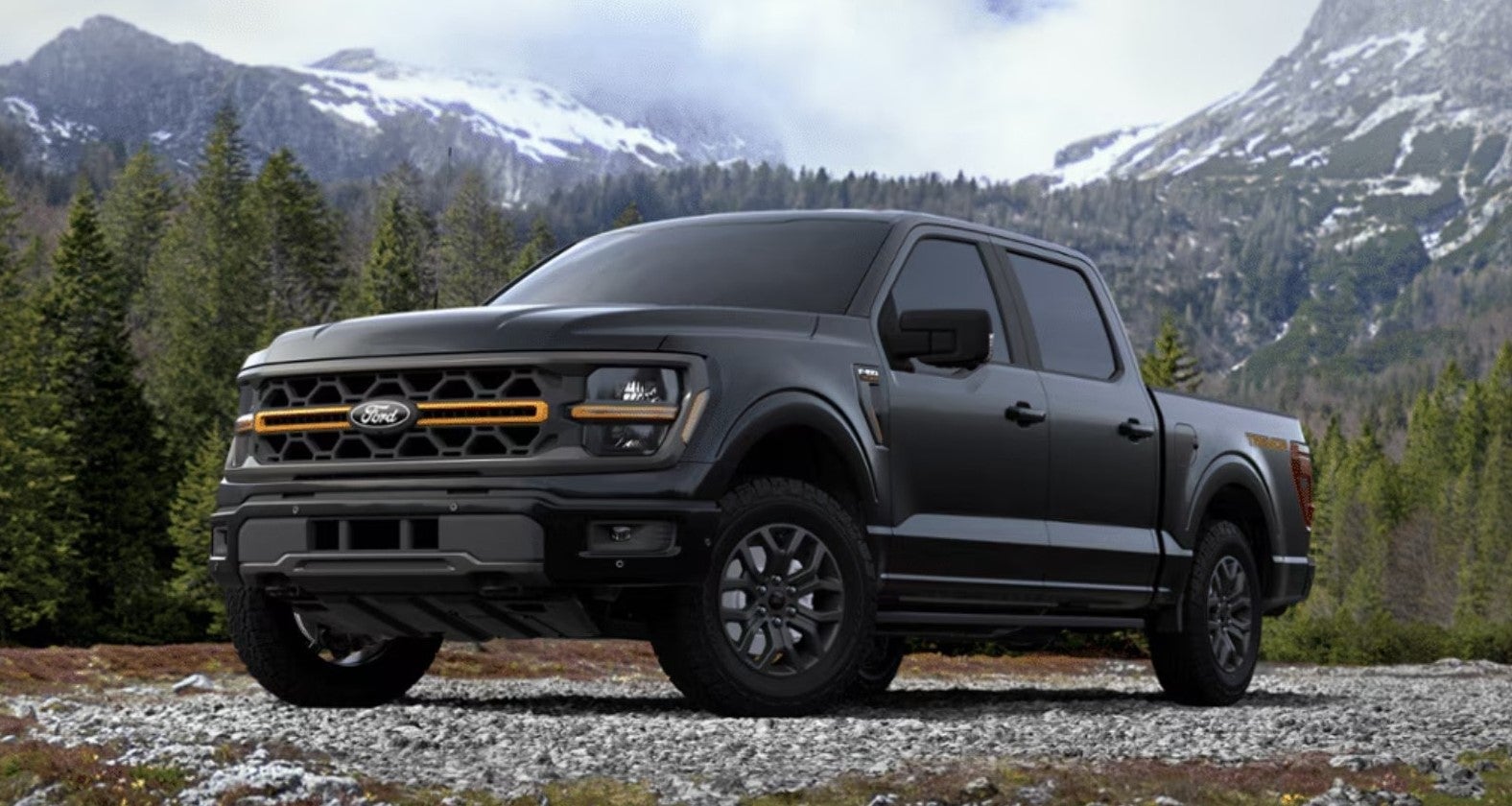
A Ford F-150 Raptor on the Road

Picking the right Ford F-150 Raptor comes down to understanding which model years offer the best mix of performance, reliability, and value. Since its 2010 debut, the Raptor has evolved dramatically, with each generation bringing major improvements. Whether you're shopping for your first high-performance off-road truck or looking to upgrade from an older model, knowing the best years can save you thousands and get you a truck that's built to last.

Quick Answer: Best Ford Raptor Years at a Glance

The best Ford Raptor year really depends on your budget and what matters most to you. Here's what we recommend based on proven performance and reliability data:

GenerationBest YearsEnginePower OutputKey Strengths
First (2010-2014)2014, 20105.4L V8 (2010) / 6.2L V8 (2011-2014)320 hp/390 lb-ft or 411 hp/434 lb-ftProven durability, strong aftermarket support
Second (2017-2020)2019-20203.5L EcoBoost V6 TT450 hp / 510 lb-ftFox Live Valve shocks (2019+), cam phaser fixes (2020)
Third (2021-Present)2024+, 2021-2023Carryover from Gen 2450 hp / 510 lb-ft37-inch tires, highest reliability ranking

Looking at first-generation models? Stick with 2010 or 2014 trucks. They offer much better reliability than the problematic 2011-2013 years. For second-generation buyers, aim for 2019-2020 models. These represent the most refined versions with crucial updates. The third generation keeps getting better with each model year. Ready to find your ideal Raptor? Explore our current Raptor inventory to see what's available.

First Generation Ford Raptor (2010-2014): The Original Off-Road Icon

The first-generation Raptor years introduced the world to something new: a factory-built desert racing truck you could actually drive every day. These trucks came with a naturally aspirated 6.2L V8 making 411 horsepower (2010 used a 5.4L V8), Fox Racing shocks, and aggressive styling that made heads turn. The first-generation Raptor proved you didn't need extensive aftermarket modifications to get serious off-road performance.

Why 2010 and 2014 Stand Out

Among first-generation models, 2010 and 2014 are your best bets, despite the generation's overall reliability challenges. The 2010 model had its debut-year quirks but established the platform with solid fundamentals. The 2014 model represents the most refined version of the original formula. Ford had years of real-world data and owner feedback by then, which helped them address weak points.

The middle years (2011-2013) present serious reliability concerns. The 2012 model year received the most complaints and is widely considered the worst year to buy. Both 2011 and 2013 also had elevated engine, transmission, and overall reliability issues, making them risky purchases.

Finding a well-maintained 2010 or 2014 Raptor gets you a proven platform with strong aftermarket support. These trucks still turn heads today and offer that traditional V8 experience many enthusiasts prefer over turbocharged engines.

Second Generation Ford Raptor (2017-2020): The EcoBoost Revolution

Ford shocked the truck world by swapping the V8 for a 3.5L EcoBoost V6 in the second generation. Despite initial skepticism, the twin-turbo engine produced 450 horsepower and 510 lb-ft of torque, outperforming the first-generation V8 in every way that counts. The new engine also brought better fuel economy and weight savings, improving handling.

This generation featured a fully boxed frame, upgraded suspension with even more wheel travel, and a 10-speed automatic transmission. Ford introduced an aluminum body that cut weight by roughly 500 pounds while maintaining strength. Technology jumped forward, too, with the Terrain Management System offering six drive modes, Trail Control for low-speed off-road crawling, and a more sophisticated four-wheel-drive system.

Year-by-Year Improvements

Here's how each second-generation model year evolved:

YearKey Upgrades
2017Aluminum body (-500 lbs), 10-speed auto, 6 terrain modes
2018Minor refinements, aluminum oil pan
2019Fox Live Valve adaptive dampers
2020Improved shift points, cam phaser fix, metal oil pan, least negative feedback

Why 2019-2020 Models Lead the Pack

The 2019 and 2020 models are the best years for the second-generation Ford Raptor. These final model years incorporated improvements and refinements based on several years of customer feedback. The 2019 model added Fox Live Valve adaptive dampers that completely transform ride quality and capability. The 2020 model received critical cam phaser fixes and improved shift calibration, addressing concerns from earlier years.

Both years represent the most sorted versions of the second-generation platform. Yes, pricing for 2019-2020 models stays higher than earlier second-generation trucks, but the improved reliability and features justify the premium.

Third Generation Ford Raptor (2021-Present): Peak Performance and Modern Tech

The latest generation builds on everything Ford learned from previous versions. The third-generation Raptor keeps the 3.5L EcoBoost V6 at 450 horsepower, with the available Raptor R model packing a supercharged 5.2L V8 that cranks out 700 horsepower. Reliability has been strong so far, with these trucks earning the highest rankings among all three generations.

Modern technology defines this generation. The trucks feature a massive 12-inch touchscreen, digital instrument cluster, and Ford's Co-Pilot360 safety suite. The suspension received another round of improvements, including adaptive dampers that adjust to road conditions in real time. Interior quality took a big step forward with better materials and a more refined fit and finish.

These trucks represent the current peak of factory off-road performance, offering features like over-the-air software updates, enhanced Trail Control, and 37-inch tires. They carry the highest price tags, but they also deliver the most capability and technology.

Ford Raptor Years to Avoid and Why

Not every model year offers the same ownership experience when shopping for a used Ford Raptor, but knowing the weaker years helps you zero in on the best candidates.

YearKey considerations
2011Known for some engine and transmission complaints compared with the stronger years.
2012Carries the highest volume of owner complaints and a less refined overall driving experience.
2013Shows more general reliability concerns than the most desirable model years.

The 2012 model is generally the one to approach with the most caution, as it combines the highest complaint volume with the most notable reliability concerns. 2014 trucks can be a better choice than 2011–2013, but 2010 is typically the safer bet if you want fewer engine and transmission issues.

In the second generation, early 2017 models occasionally had issues with the new 10-speed transmission, including rough shifting and software calibration problems. Ford addressed these concerns through updates, but later model years came with better-sorted transmissions from the factory. Pre-2020 models also used plastic oil pans and lacked the critical cam phaser fixes that arrived in 2020.

Understanding which years to avoid helps you focus your search on more reliable options. Every used truck deserves individual evaluation, but starting with better years improves your odds of finding a solid truck.

What to Look for When Buying a Used Ford Raptor

Buying a used Ford Raptor requires more careful inspection than purchasing a standard F-150. These trucks often lead harder lives than typical pickups, with many owners taking them off-road regularly. Start by reviewing maintenance records carefully. A Raptor with documented oil changes, transmission services, and scheduled maintenance suggests an owner who took care of their investment.

Check for signs of off-road damage, including bent or cracked suspension components, damaged skid plates, and frame damage. Look underneath the truck with a flashlight, examining the frame rails, differential, and exhaust system for impact marks or repairs. Even minor off-road contact can cause hidden damage that develops into expensive problems later.

Test drive the truck at highway speeds and on rough roads. Listen for unusual suspension noises, vibrations through the steering wheel, or transmission shifting problems. The Raptor's sophisticated systems should operate smoothly without hesitation or strange sounds.

Pre-Purchase Inspection Priorities

A thorough pre-purchase inspection matters even more for high-performance trucks like the Raptor. Here are the critical areas to examine based on generation:

Gen 1 Focus Areas: Fuse 27/lead frame, IWE system, body condition, fuel pump relay, steering cooler

Gen 2 Focus Areas: Cam phasers (especially pre-2020), oil pan material (plastic pre-2020)

All Generations: Fox shocks service history, engine/transmission leaks or noises, recall, and TSB verification

Pay special attention to the four-wheel-drive system. Test all drive modes and verify that the system engages and disengages properly. The Fox Racing shocks should show no signs of leaking and should compress and rebound smoothly. Worn shocks significantly impact performance and cost thousands to replace.

High mileage alone doesn't rule out a Raptor if it's been properly maintained. A truck with 80,000 miles and complete service records often makes a better purchase than a 40,000-mile truck with no maintenance history. Watch for red flags like dark, dirty oil indicating overdue changes, or brown transmission fluid suggesting neglect.

Find Your Ideal Ford Raptor at John Kennedy Ford Conshohocken

Finding the right Raptor means working with a dealership that understands these unique trucks. We offer an extensive selection of new and used Ford vehicles, including Raptors when available. Located at 1403 Ridge Pike in Conshohocken, Pennsylvania, we serve buyers throughout the greater Philadelphia area, including Norristown, King of Prussia, and Wayne.

Our team brings nearly 70 years of automotive experience under the Kennedy name. This experience matters when shopping for a performance truck like the Raptor. Our knowledgeable sales staff can walk you through the differences between generations, help you identify the best years for the Ford Raptor based on your needs, and arrange test drives so you can experience each truck's capabilities firsthand.

Our factory-trained technicians can perform pre-purchase inspections on used Raptors, giving you confidence in your buying decision. Our service department handles everything from routine maintenance to complex repairs using genuine Ford parts. Whether you're buying your first Raptor or upgrading to a newer generation, our comprehensive support ensures a worry-free ownership experience. Contact our team at 267-215-4257 to discuss your specific needs and schedule a test drive. Our service department operates Monday through Saturday for convenient maintenance scheduling. Reach out today to find your ideal Ford Raptor.
Posted in:

Related Posts

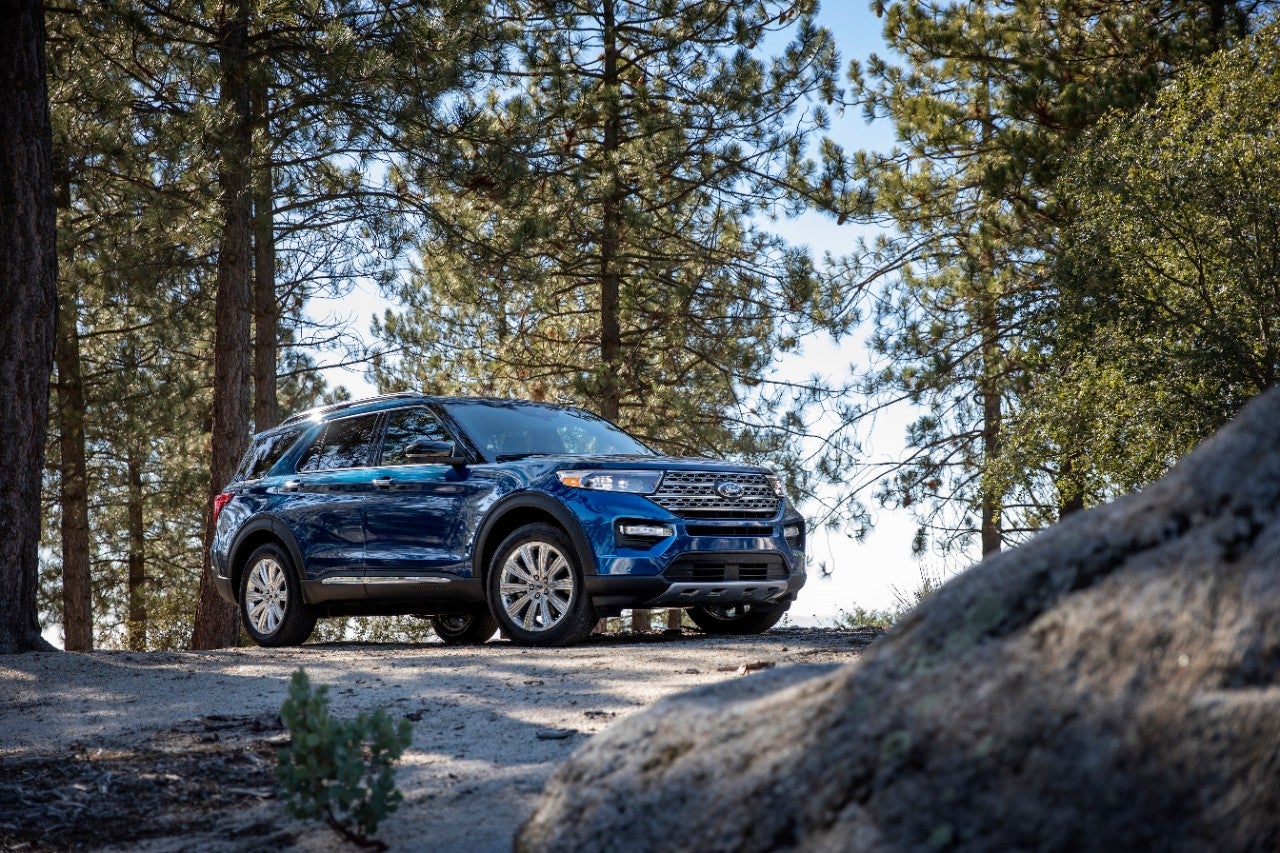
A blue 2020 Ford Explorer Limited parked on a rock in a forest

What Ford Explorer Years Are Best to Buy Used?

When you're shopping for a used Ford Explorer in the Conshohocken area, knowing which model years deliver lasting reliability makes all the difference between a confident purchase and costly repairs down the road. At John Kennedy Ford of Conshohocken, we've serviced hundreds of Explorers throughout their lifespans, which gives us real insight into which generations hold up best against Philadelphia winters, I-76 commutes, and everything suburban family life throws at them. Finding the best year for used Ford Explorer purchases really comes down to understanding three distinct generations and how they've aged. We'll walk you through the specific years that deliver the best value, which models fit different budgets, and how to choose options that offer dependable ownership and peace of mind. more Used Explorer Inventory Which Ford Explorer Model Years Are the Best to Buy? The reliability sweet spots for used Explorers cluster around three distinct periods. The 2009 and 2010 models from the fourth generation stand out for their proven track record. These models feature well-tested overhead-cam V6 engines and straightforward mechanical systems that our service team can maintain without drama. The 2017-2019 models represent the sweet spot of the fifth generation. By this time, Ford had resolved the early electrical issues and powertrain headaches that plagued 2011-2013 models. The 2019 Explorer particularly shines with refined technology, spacious interiors, and far fewer complaints than its early fifth-generation siblings. For buyers wanting the latest safety and convenience features, the 2021-2023 models deliver current-generation benefits. These newer Explorers earned a five-star NHTSA safety rating and often remain under factory warranty, providing peace of mind for growing families navigating busy Philadelphia-area roads. Generation Years Key Reliability Notes 4th Gen 2006-2010 Solid build, proven engines, timing chain maintenance critical 5th Gen 2011-2019 Early years problematic, 2017-2019 most reliable 6th Gen 2020-present Modern features, often under warranty, avoid 2020 first-year issues Top Recommended Used Ford Explorer Years by Buyer Need Different priorities call for different model years. Whether you're juggling budget constraints, hunting for modern technology, or looking for that reliability-to-value sweet spot, certain years align better with what you actually need. Best Overall Value: 2018-2019 Models The 2018 and 2019 Explorers hit that perfect balance between proven reliability and modern amenities. These final years of the fifth generation received Ford's accumulated improvements over nearly a decade of production, resulting in the fewest reported complaints of any fifth-generation years. You get standard features like rearview cameras, smartphone integration through Ford's SYNC 3 system, and available adaptive cruise control without paying new-car premiums. We've watched these models maintain strong resale values while delivering dependable service to families throughout Conshohocken and surrounding communities. Their powerful V6 engines handle highway merging confidently, while available all-wheel drive provides reassurance during winter weather on local roads. Best Budget-Friendly Choice: 2013-2015 Models Working with a tighter budget? The 2013-2015 Explorers offer reliable transportation at accessible price points. These mid-generation models benefit from Ford's fixes to early fifth-generation problems while staying affordable enough to fit most family budgets. The 2013 model marked a real turning point where Ford addressed many electrical and powertrain concerns that burned 2011-2012 buyers. These years offer comfortable seating for seven passengers, decent cargo space, and adequate power for daily driving. Sure, they lack some modern driver-assistance features, but they nail the basics: dependable engines, comfortable rides, and reasonable maintenance costs. For budget-conscious shoppers, they're smart entry points into Explorer ownership. Best for Modern Features and Safety: 2021-2023 Models Buyers prioritizing advanced technology and comprehensive safety systems should focus on 2021-2023 models. These sixth-generation Explorers feature standard Co-Pilot360 technology, including automatic emergency braking, blind-spot monitoring, and lane-keeping assist. The redesigned interior offers improved materials, a larger touchscreen, and enhanced connectivity options that younger families particularly appreciate. These newer models also deliver stronger towing capabilities, with properly equipped models capable of towing up to 5,600 pounds. Many remain under factory warranty, and those slightly older qualify for certified pre-owned programs with extended coverage. That's valuable protection for any used vehicle purchase. Ford Explorer Model Years That Require Extra Due Diligence Early 2000s Models: Know What You're Getting Into Some Ford Explorer model years are better suited for buyers seeking long-term dependability and lower ownership costs. For example, earlier models, such as the 2002 Explorer, accumulated a high volume of NHTSA complaints, largely related to transmission performance. As a result, shoppers focused on reliability may want to prioritize newer or more refined alternatives. Models from 2003 through 2005 continued to reflect challenges common to that generation, including transmission, suspension, and drivetrain concerns. These Explorers represent a period when aging engineering and evolving design standards impacted overall ownership satisfaction, making later generations a more appealing option for many buyers. Early Fifth Generation: 2011-2013 Moving ahead, the 2011 to 2013 Explorers mark the early years of the fifth generation. While these models introduced meaningful updates, some owners reported electrical and powertrain issues, and satisfaction scores lagged behind those of later versions. Similarly, the 2016 Explorer received mixed reliability ratings, suggesting that shoppers may benefit from considering surrounding model years with stronger track records. Sixth Generation: 2020 First-Year Considerations The 2020 Explorer highlights a common trend seen with first-year redesigns. While it brought major updates, early production challenges and recalls affected owner satisfaction. Choosing a slightly newer model year, such as 2021, allows buyers to enjoy the same modern features and technology with improvements informed by early feedback. Common Issues to Watch For in Used Ford Explorers Understanding generation-specific problems helps you inspect smartly and negotiate fairly when you find a promising Explorer. Transmission and Drivetrain Concerns Transmission problems rank among the most expensive issues with the Explorer. Early models, particularly the notorious 2002-2005 years, suffered from failures in the five-speed automatic transmission. Symptoms include rough shifting, slipping between gears, delayed engagement, or complete failure to move. Transmission repairs typically run $2,600-$2,750, making this a critical inspection point. Even some fifth-generation models experienced transmission concerns, though later years proved more reliable. During test drives, pay close attention to smooth shifting through all gears, both during acceleration and deceleration. Any hesitation, shuddering, or unexpected noises warrant professional evaluation before purchase. Engine and Timing Chain Problems The fourth-generation Explorers (2006-2010) equipped with overhead-cam V6 engines face a specific concern: weak timing chain tensioners. While these engines are otherwise reliable, failing tensioners can cause timing chain issues, leading to catastrophic engine damage if left unchecked. Service records showing proactive timing chain maintenance significantly increase these models' value and reliability. Listen for rattling noises during cold starts, which may signal timing chain wear. Verify that previous owners maintained proper oil change intervals, as neglected maintenance accelerates timing chain component wear. Our service team can inspect these systems thoroughly before you commit to any fourth-generation Explorer. What to Inspect Before Buying a Used Ford Explorer Verify Vehicle History and Recalls Smart pre-purchase inspection protects your investment and prevents surprises. Start by verifying the vehicle's history through services like Carfax or AutoCheck, and confirm there are no major accidents, flood damage, or salvage titles. Check that all NHTSA recalls have been completed (this step is essential for any used vehicle). Test Generation-Specific Systems For fourth-generation models (2006-2010), request service documentation proving timing chain maintenance. For early fifth-generation Explorers (2011-2016), thoroughly test all electrical systems: climate controls, power windows, infotainment systems, and dashboard displays. Electrical gremlins plague these years, and comprehensive testing reveals potential problems. Conduct Thorough Test Drives Take extended test drives covering various conditions: highway speeds, stop-and-go traffic, rough pavement, and tight turning. This reveals transmission behavior, suspension condition, and overall mechanical health better than brief neighborhood loops. Test the four-wheel-drive or all-wheel-drive system, if equipped (particularly important given Conshohocken's winter weather). Have any promising Explorers been inspected by qualified technicians, either independent mechanics or our service team at John Kennedy Ford of Conshohocken? Professional inspection uncovers issues invisible to casual buyers, from suspension wear to fluid leaks to computer diagnostic codes. The modest inspection cost prevents expensive mistakes. Finding a Reliable Used Ford Explorer in Conshohocken Shopping for a used Explorer in the greater Philadelphia area offers plenty of options, but choosing the right dealership matters as much as selecting the right year. We maintain an extensive selection of used Ford Explorers spanning multiple generations, each thoroughly inspected by our factory-trained service team before reaching our lot. Our nearly 70 years of automotive experience under the Kennedy name means we understand which Explorers deliver lasting value. We prioritize transparency about each vehicle's history, condition, and any service needs, helping you make informed decisions rather than pressured purchases. Every Explorer we sell undergoes a comprehensive mechanical inspection, so you can drive away confidently. Your relationship with us continues well beyond the initial purchase through our full-service maintenance department. Our technicians know Explorers inside and out, maintaining expertise across all generations from timing chain service on fourth-generation models to electrical diagnostics on fifth-generation systems. Ready to find your ideal used Ford Explorer? Browse our current inventory online, then schedule a test drive to experience your top choices firsthand. Our sales team will walk you through each model's features, history, and how it matches your specific needs (whether you're prioritizing budget, modern technology, or proven reliability). Visit us at 1403 Ridge Pike in Conshohocken, call our sales team at 267-215-4257 to start your Explorer search today.

ford-bronco-vs-bronco-sports

Bronco vs. Bronco Sport: What's the Difference? | John Kennedy Ford

Ford Bronco Sport vs. Bronco: What's the Difference? It's one of the most common questions we hear at John Kennedy Ford of Conshohocken: what's actually different between the Ford Bronco Sport and the full-size Ford Bronco? They share a name, a retro-inspired design language, and an adventurous spirit, but underneath the similar looks, these are two genuinely different vehicles built for different types of drivers. Here's a complete breakdown to clear up the confusion once and for all. Quick Comparison: Bronco Sport vs. Bronco Starting MSRP — Bronco Sport: $33,840 | Bronco: $40,495 Platform — Bronco Sport: unibody (car-based), shares its architecture with the Ford Escape | Bronco: body-on-frame, purpose-built off-road chassis Doors and Roof — Bronco Sport: fixed doors and roof | Bronco: removable doors and roof, hardtop or soft top Standard Engine — Bronco Sport: 1.5L EcoBoost Turbo I3, 181 hp / 190 lb-ft | Bronco: 2.3L EcoBoost Turbo I4, 300 hp / 325 lb-ft Top Available Engine — Bronco Sport: 2.0L EcoBoost Turbo I4, 250 hp / 277 lb-ft (Badlands) | Bronco: 2.7L EcoBoost V6, 330 hp / 415 lb-ft (Raptor goes to 418 hp) Transmission — Bronco Sport: 8-speed automatic only | Bronco: 7-speed manual (with dedicated crawler gear) or 10-speed automatic Max Towing — Bronco Sport: up to 2,700 lbs | Bronco: up to 4,500 lbs (Raptor) Max Cargo Volume — Bronco Sport: up to 65.2 cu ft | Bronco (4-door): up to 146.5 cu ft Trim Levels — Bronco Sport: 4 trims (Big Bend, Heritage, Outer Banks, Badlands) | Bronco: 7 trims (Base, Big Bend, Outer Banks, Badlands, Heritage Edition, Stroppe Edition, Raptor) The Biggest Difference: What's Underneath This is the single most important distinction between these two SUVs, and it explains almost every other difference on this list. The Bronco Sport is built on a unibody platform — the same basic car-based architecture used by the Ford Escape — which makes it more compact, easier to park, and more car-like to drive around town. The full-size Bronco, on the other hand, uses a true body-on-frame design, the same fundamental construction method used by serious off-roaders and pickup trucks. That body-on-frame architecture is what allows the Bronco to offer removable doors and a removable roof, something the Bronco Sport's unibody construction simply doesn't support. Size, Power, and Everyday Practicality The Bronco Sport is the more compact, efficient, and budget-friendly option, starting at $33,840 with a standard turbocharged three-cylinder engine that's well-suited to daily commuting and light trail use. Every Bronco Sport comes standard with 4x4 and up to five G.O.A.T. Modes (Goes Over Any Type of Terrain), giving it genuine light off-road credibility in a package that's easy to live with every day. The full-size Bronco starts higher at $40,495 but delivers significantly more capability across the board: more standard horsepower (300 hp vs. 181 hp), more available power at the top of the lineup (up to 418 hp in the Raptor versus 250 hp in the Bronco Sport Badlands), more towing capacity, and dramatically more cargo space in four-door form. It also offers a genuine 7-speed manual transmission with a dedicated crawler gear — something you won't find anywhere in the Bronco Sport lineup, which is automatic-only. Which One Should You Choose? If you want a more affordable, easy-to-park SUV with genuine light off-road ability, standard 4x4, and lower running costs for daily commuting around Conshohocken and the Main Line, the Bronco Sport is the smarter choice. If you want the full open-air experience with removable doors and roof, serious trail capability, a manual transmission option, and significantly more power and cargo room, the full-size Bronco is built for you. Both wear the Bronco name proudly — they're just built for very different adventures. See Both Broncos for Yourself Visit John Kennedy Ford of Conshohocken to test drive the Bronco Sport and the full-size Bronco side by side. View Bronco Inventory View Bronco Sport Inventory Schedule a Test Drive Proudly Serving Conshohocken and the Surrounding Communities John Kennedy Ford of Conshohocken is a convenient destination for Bronco and Bronco Sport shoppers throughout Montgomery County and the greater Philadelphia area. We're proud to serve drivers from: Conshohocken, PA West Conshohocken, PA Plymouth Meeting, PA Norristown, PA Blue Bell, PA Whitemarsh, PA Lafayette Hill, PA King of Prussia, PA Ambler, PA Villanova, PA Spring House, PA Fort Washington, PA No matter which of these communities you call home, our Conshohocken showroom is just a short drive away. Browse our full new Ford inventory or visit our homepage to learn more about financing, trade-ins, and current offers. Pricing, specifications, and third-party data referenced above are current as of publication and sourced from Ford.com, Edmunds, Kelley Blue Book, and TrueCar. Specs and pricing are subject to change by the manufacturer and may not include destination fees, taxes, title, or dealer charges. See John Kennedy Ford of Conshohocken for current pricing, incentives, and availability.

A Ford F-150 Raptor on the Road

Ford F-150 Raptor R vs. Ram 1500 TRX

The battle for supremacy in the high-performance truck segment comes down to two heavyweights: the Ford F-150 Raptor R and the Ram 1500 TRX. Both trucks promise adrenaline-pumping power, serious off-road credentials, and road presence that turns heads. For drivers in Conshohocken and the greater Philadelphia area, comparing the Ford F-150 Raptor R vs. Ram 1500 TRX, one question matters most: which truck delivers on its promises, and more importantly, which one can you actually drive home today? The Raptor R is available now, while the 2027 Ram 1500 SRT TRX is expected at dealerships in the second half of 2026. Ready to experience the Raptor R firsthand? Explore our Raptor inventory to see what's available. more Raptor R vs TRX: High-Performance Truck Showdown The Ford F-150 Raptor R and Ram 1500 TRX represent the pinnacle of American performance trucks. These aren't work trucks with chrome packages. Both were built to dominate desert running, conquer rock crawling, and handle the morning commute with surprising composure. Ford's racing pedigree shows in the Raptor R, balancing raw performance with genuine daily usability. The original TRX answered with aggressive styling and supercharger whine that announced your arrival blocks away. Ram has confirmed a 2027 Ram 1500 SRT TRX revival with enhanced performance, and is expected to reach dealerships in the second half of 2026. What sets these trucks apart from regular performance vehicles? Their dual nature. Thrash them across desert whoops on Saturday, then haul camping gear to the Poconos on Sunday without breaking a sweat. Power and Performance Comparison The performance specifications reveal where each truck excels: Specification 2026 Ford F-150 Raptor R 2027 Ram 1500 SRT TRX Engine Supercharged 5.2L V8 Supercharged 6.2L V8 Horsepower 720 hp 777 hp Torque 640 lb-ft 680 lb-ft Transmission 10-speed automatic 8-speed automatic 0-60 mph ~3.6 seconds ~3.5 seconds Quarter-mile 12.0-12.6 seconds 12.2 seconds Fuel Economy 12 mpg combined 12 mpg combined Both trucks post comparable quarter-mile times, with the Raptor R running 12.0-12.6 seconds and the TRX claiming 12.2 seconds per Ram's official specs. The driving experience differs noticeably. The TRX's supercharger creates an addictive mechanical symphony. The Raptor R's supercharger delivers power that builds more linearly but no less impressively. When you push through higher speed ranges, the Raptor R tends to feel more composed, while the TRX rewards drivers who love visceral forced induction. Ford F-150 Raptor R Supercharged V8 Specs The Raptor R's supercharged 5.2L V8 delivers 720 horsepower and 640 lb-ft of torque. These figures place it in supercar territory. Ford engineered this powertrain with specific attention to heat management and durability, and the cooling systems are overbuilt to handle extended high-speed desert running. Here's what makes this engine particularly impressive: Ford adapted this engine's technology from the Mustang Shelby GT500 program. The 10-speed automatic transmission provides advantages for daily driving, offering more precise ratio selection across varying conditions than the TRX's 8-speed unit. Ram 1500 TRX Powertrain and Availability Update The original Ram 1500 TRX positioned itself as one of the most powerful production trucks ever built, generating 702 horsepower from its supercharged 6.2L V8. Ram designed this powertrain for maximum output. The exhaust note satisfied anyone who appreciates internal combustion engines. Ram discontinued the TRX after the 2024 model year. While the company has confirmed a 2027 Ram 1500 SRT TRX revival with an impressive 777 horsepower, this model is expected to reach dealerships in the second half of 2026. For drivers seeking high-performance truck thrills today rather than waiting for future availability, the Raptor R represents the immediate choice. Off-Road Capabilities and Technology Off-road prowess separates these trucks from conventional pickups. The comparison reveals critical differences: Off-Road Feature Ford F-150 Raptor R Ram 1500 TRX Ground Clearance 13.1 inches 11.8 inches Tire Size 37-inch 35-inch Shocks FOX Dual Live Valve Bilstein Black Hawk e² (2nd gen) Drive Modes BaBaja, Rock Crawl, Deep Snow/Sand, Mud/Rut, and others Baja, Mud/Sand, Rock, and others Rear Suspension Travel 14.1 inches 14 inches The Raptor R's superior ground clearance of 13.1 inches, compared to the TRX's 11.8 inches, translates into advantages when navigating rock gardens or high-centered obstacles. Combined with larger 37-inch tires versus the TRX's 35-inch rubber, the Raptor R clears obstacles that would challenge the TRX. Modern terrain management systems in both trucks optimize settings for specific conditions. Sand mode adjusts throttle response and traction control for dune running. Rock mode maximizes articulation and provides precise throttle modulation for crawling. Contact our team to schedule a test drive and experience the Raptor R's off-road systems firsthand. Suspension Systems and Terrain Management The Raptor R uses FOX Racing Shocks with live valve technology that adapts to changing terrain. This provides both comfort during highway cruising and control when landing jumps. Ram equipped the 2027 TRX with second-generation Bilstein Black Hawk e² adaptive shocks and Ram Active Terrain Dynamics, designed to manage the truck's considerable weight while maintaining composure across rough terrain. Both systems include multiple drive modes that alter suspension behavior, throttle mapping, transmission shift points, and traction control intervention. Switching between modes genuinely changes the truck's character. This allows drivers to optimize performance rather than accepting a one-size-fits-all compromise. On-Road Handling and Daily Drivability Both trucks serve as competent daily drivers despite their extreme capabilities. The Raptor R earns praise for feeling more maneuverable in tight parking lots and urban environments. Its slightly smaller footprint makes navigating Conshohocken's streets less stressful. At over 6,000 lbs curb weight, it remains substantial but manageable. The TRX delivers a more spacious interior, which passengers appreciate on extended drives. However, this size can feel cumbersome when threading through traffic or finding parking spots in crowded areas. Both trucks ride better than you'd expect given their off-road focus. The suspension systems absorb typical road imperfections without harsh impacts. You'll notice their capabilities over expansion joints and potholes, but neither truck punishes occupants the way solid-axle trucks from previous generations did. Interior Features and Technology The Raptor R's cabin emphasizes driver focus, with controls positioned for easy access and displays providing essential information. The SYNC 4 infotainment system supports smartphone integration, navigation, and vehicle performance monitoring. The materials feel substantial, and the seats provide excellent support during aggressive driving. The TRX counters with a larger touchscreen running Uconnect 5 and a premium audio system. Its interior feels more overtly luxurious, with leather-wrapped surfaces and distinctive styling elements. The back seat offers more space for families who use these trucks as their primary vehicles. Both trucks include advanced driver assistance systems, including adaptive cruise control, blind-spot monitoring, and parking assistance, that help make these substantial vehicles more manageable in everyday situations. Which High-Performance Truck Is Right for You? Choosing between these titans depends on your priorities. Drivers who value immediate availability, superior ground clearance, larger tires, faster quarter-mile times, and better resale value find the Raptor R compelling. Those willing to wait for the 2027 SRT TRX might prefer its higher horsepower figures and more spacious cabin, once it becomes available. The Raptor R's advantages extend beyond specifications. It's 13.1 inches of ground clearance versus 11.8 inches, combined with 37-inch tires versus 35-inch, which creates measurable off-road benefits. The 10-speed transmission provides smoother daily drivability than the TRX's 8-speed unit. Most importantly, you can experience and purchase the Raptor R today, ahead of the 2027 TRX arriving later in 2026. Experience the Raptor R at John Kennedy Ford Conshohocken We welcome drivers to experience the Ford F-150 Raptor R and explore how it fits their lifestyle. Our sales team understands both trucks intimately and can provide detailed comparisons based on your specific needs. Visit us in Conshohocken or call 267-215-4257 to schedule a test drive and discuss current inventory, financing options, and trade-in values. Frequently Asked Questions Which truck is faster, the Raptor R or TRX? The trucks post comparable quarter-mile times - the Raptor R runs 12.0-12.6 seconds while Ram claims 12.2 seconds for the 2027 TRX. The Raptor R is available now; the TRX arrives in the second half of 2026. What's the 2026 Ford Raptor R price expected to be? The Raptor R starts around $114,420, including destination. Official pricing for future model years hasn't been announced, though incremental increases typically occur annually. Which truck is better for daily driving? The Raptor R's smaller dimensions make it more manageable in tight spaces and urban environments. The TRX offers more interior room. Both work as daily drivers, but the Raptor R feels more nimble in everyday situations. Can I service these trucks at any dealership? While any Ford dealer can perform basic maintenance, working with a dealership experienced in high-performance vehicles ensures proper care. We employ factory-trained technicians familiar with the Raptor R's unique requirements. Our service department can be reached at 267-220-1040 and operates Monday through Friday from 7 AM to 6 PM, and on Saturday from 7:30 AM to 3 PM. What warranty coverage does the Raptor R include? Ford provides comprehensive warranty coverage, including powertrain warranties that protect major components. Extended warranty options exist for buyers seeking additional protection beyond factory coverage.