
Blog / Brand vs. Brand

Ford vs Chevy Reliability: Choosing the Right Brand for You

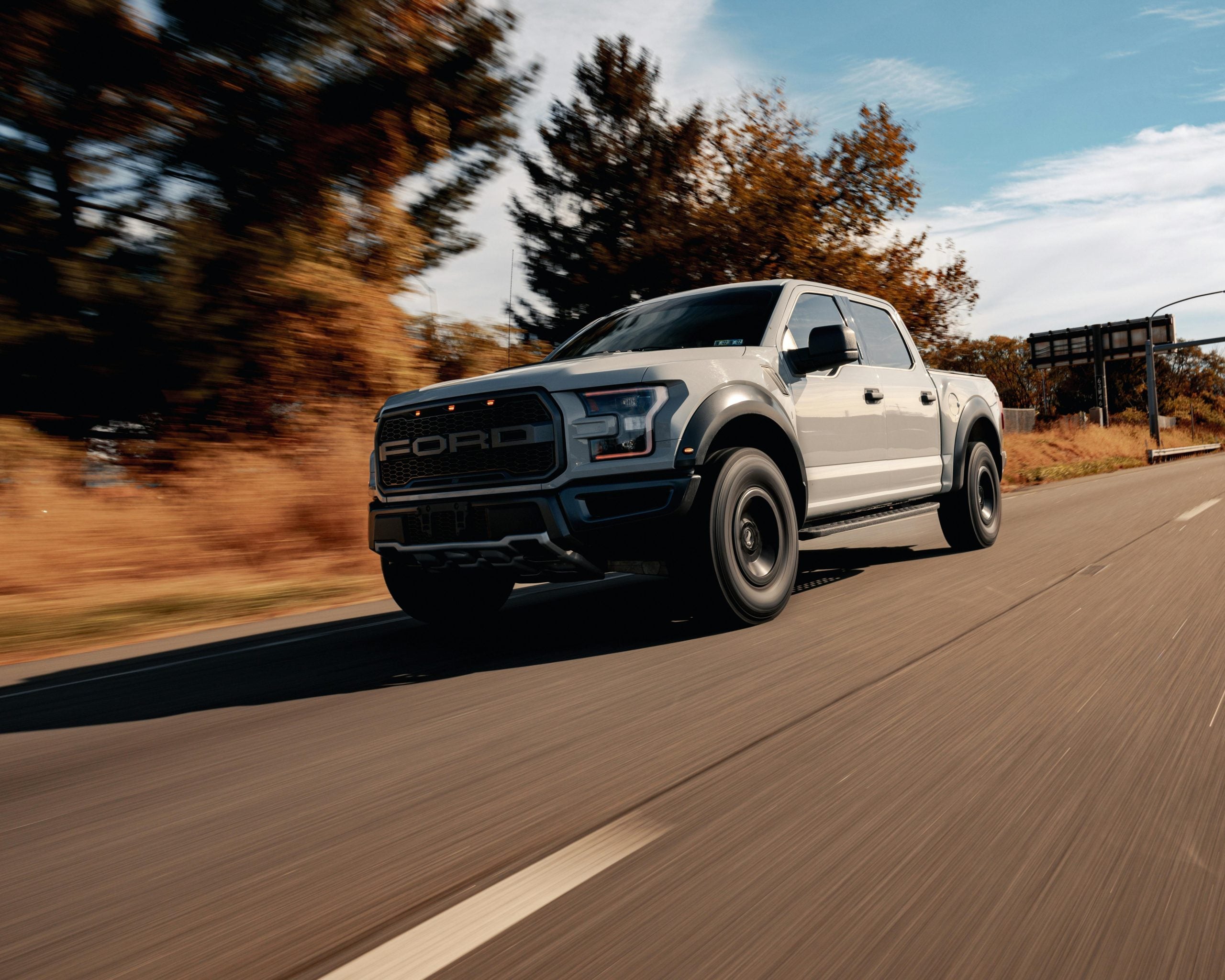
A Ford F-150 Raptor on the Road

The Ford vs. Chevy rivalry has been continuing for over a century. Since buying a car is a big investment, reliability is key. In this article, our John Kennedy Ford Conshohocken team analyzes the reliability of Chevy vs. Ford to help you make the best choice for your next ride.

Reliability Rating Overview

Reliability ratings help you understand the performance of different models over time. These ratings examine factors such as breakdown frequency, repair costs, and technology system efficiency. Organizations such as J.D. Power and Consumer Reports gather data from thousands of car owners to compile these ratings.

J.D. Power's Vehicle Dependability Study is one of the most respected sources for reliability info. They survey owners of 3-year-old vehicles to evaluate the problems they've had. Consumer Reports also does extensive testing and surveying to rate car reliability. Other useful sources include CarComplaints.com, which collects owner-reported issues, and RepairPal, which focuses on repair costs.

Ford Reliability Analysis

Since Ford has experienced reliability fluctuations in the past, it's made significant improvements in recent years. Some Ford models, such as the F-150 truck, have become known for their durability. The brand has worked hard to fix past issues and increase the dependability of its cars.

Ford's most reliable vehicles include the following:

  • Ford F-150: America's best-selling truck for over 40 years
  • Ford Fusion: A solid midsize sedan with good reliability scores
  • Ford Escape: A popular compact SUV that's shown improved reliability

Ford still has room for improvement. Some models have exhibited transmission issues or infotainment glitches. For example, the Ford Explorer has received more complaints than some of its competitors in recent years.

Chevy Reliability Analysis

Chevrolet has built a reputation for producing reliable vehicles, especially in its truck lineup. In recent years, Chevy has consistently ranked higher than Ford in overall reliability ratings. Their focus on improving build quality and technology integration has paid off.

Some of Chevy's most reliable models include the following:

  • Chevrolet Silverado 2500 HD and 3500 HD: Known for their durability
  • Chevrolet Bolt EV: Highly rated for reliability in the electric vehicle segment
  • Chevrolet Equinox: A dependable compact SUV option

Although some Chevy models have faced criticism for interior quality issues or electrical problems, the brand has maintained a strong reputation for reliability across its lineup.

Direct Comparisons in Key Vehicle Categories

A direct Ford vs. Chevy comparison in various key vehicle categories can help you make an informed decision.

Compact Cars: Ford Focus vs. Chevrolet Cruze

Both the Ford Focus and Chevrolet Cruze are popular choices in the compact car segment. The Focus has experienced some transmission issues in past models, while the Cruze has generally received better reliability ratings. Both cars have their strengths, with the Focus often praised for its handling and the Cruze for its fuel efficiency.

Midsize Sedans: Ford Fusion vs. Chevrolet Malibu

In the midsize sedan category, both the Fusion and Malibu offer good reliability. The Fusion has been noted for its smooth ride and variety of powertrain options while the Malibu has received praise for its comfortable interior and fuel economy. Reliability-wise, they're fairly evenly matched, with a slight rise in popularity for the Malibu in recent years.

Full-Size Trucks: Ford F-150 vs. Chevrolet Silverado

The F-150 and Silverado are the flagships of their respective brands. Both trucks have strong reliability records, with the F-150's aluminum body giving it an edge in rust resistance. The Silverado, especially its heavy-duty versions, has consistently earned high-reliability ratings. It's a close race, with personal preference often being the deciding factor.

Compact SUVs: Ford Escape vs. Chevrolet Equinox

In the popular compact SUV segment, the Escape and Equinox both offer good reliability. The Escape has improved in recent years, addressing earlier concerns. The Equinox has maintained a solid reliability reputation throughout its recent generations. Both offer good fuel economy and comfortable rides, making them strong contenders in this crowded market.

Full-Size SUVs: Ford Expedition vs. Chevrolet Tahoe

The Expedition and Tahoe are top choices if you need a large family hauler. Both offer robust powertrains and spacious interiors. The Expedition has received praise for its powerful engines and towing capacity. The Tahoe is known for its comfortable ride and spacious interior. Both have shown reliability improvements in recent years, with the Tahoe having a slight edge in long-term durability reports.

Impact of Warranties and Customer Service on Perceived Reliability

Warranties play a big role in the perception of a car's reliability. Both Ford and Chevy offer similar warranty coverage, including the following:

  • Three-year/36,000-mile basic warranty
  • Five-year/60,000-mile powertrain warranty
  • Roadside assistance for five years or 60,000 miles

Customer service can make a big difference in customer satisfaction. Both Ford and Chevy have large dealer networks, making it easy to find service. Individual experiences can vary widely depending on the specific dealership.

Consumer Sentiment and Loyalty Analysis

Brand loyalty is strong for both Ford and Chevy. Many buyers stick with the brand they know and trust. According to recent studies, both brands enjoy high loyalty rates, with Ford having a slight edge in customer retention.

On social media, opinions are mixed for both brands. Ford fans often praise the F-150 and Mustang, while Chevy enthusiasts rave about the Silverado and Corvette. Common topics include fuel efficiency, technology features, and long-term reliability.

Automotive experts generally view both brands positively. They often note Ford's innovation in areas such as turbocharged engines and aluminum body construction. Chevy receives praise for its consistent quality across its lineup and strong performance in reliability studies.

Make Your Choice at John Kennedy Ford Conshohocken

While both Ford and Chevy offer reliable vehicles, the best choice depends on your specific needs. Ford has made significant strides in reliability, especially with models such as the F-150 and Fusion. Chevy maintains a strong reputation for dependability across its lineup, particularly with its trucks and SUVs. If you're in Conshohocken, Pennsylvania, visit John Kennedy Ford Conshohocken. Our friendly staff can help you explore our reliable Ford models and schedule a test-drive to find the perfect fit for your lifestyle.
Posted in:

Related Posts

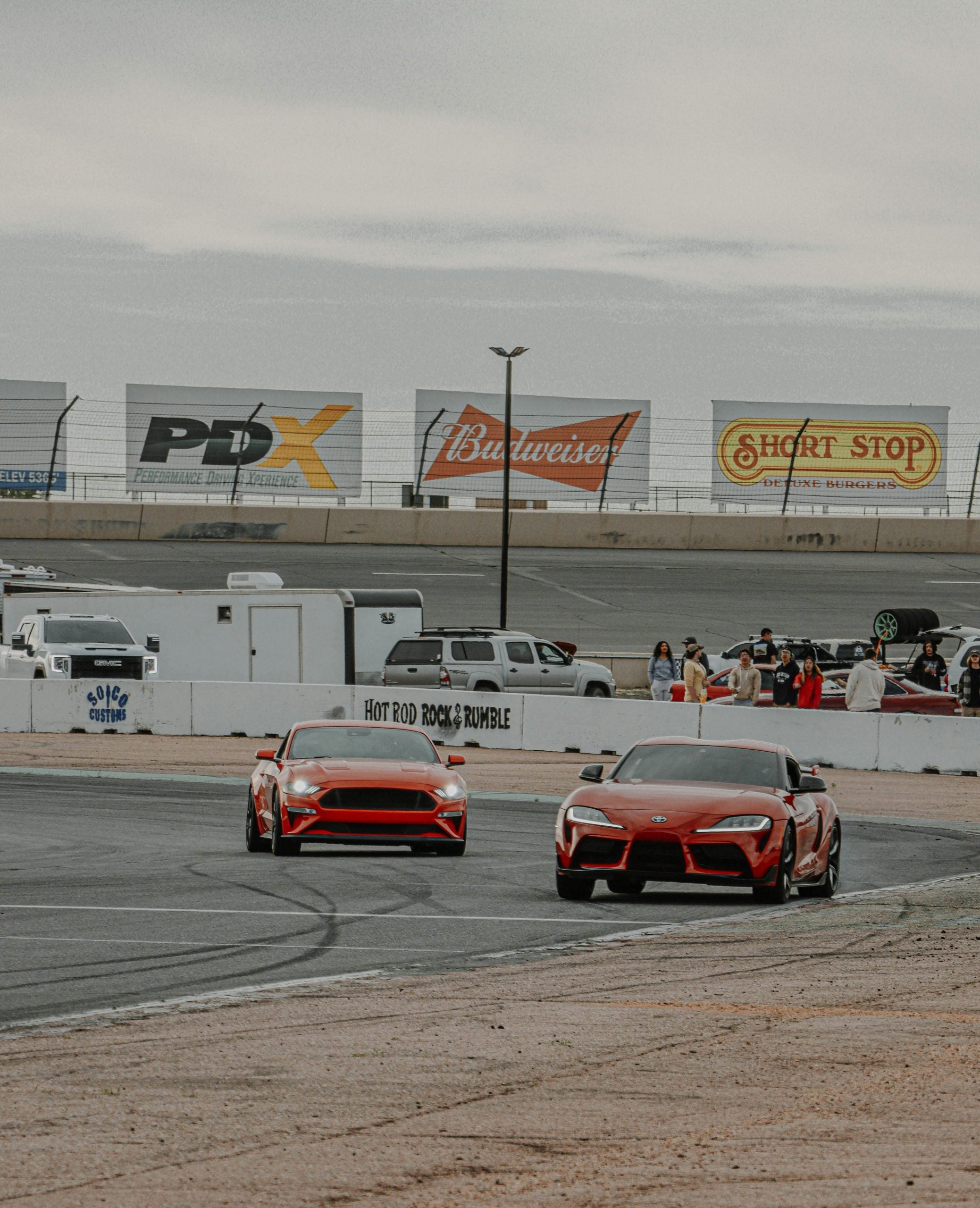
Exciting Car Race with Ford Mustang and Toyota Supra

Ford vs. Toyota Reliability: Why Smart Buyers Choose Ford

When you're buying a car, reliability matters — with cars these days more expensive than ever, finding one that will last is a key concern. Toyota has built a strong reputation for reliability over the years, and for good reason, but Ford has stepped up its game big time. The truth is that today's Ford vehicles are built differently. They're engineered for quality and durability, meaning the gap isn't just closing — often, Ford is leading the pack. So, why are Ford cars reliable? And when it comes to Ford versus Toyota, why are so many smart buyers choosing the blue oval? Let our team at John Kennedy Ford Conshohocken take you through the facts. more New Ford Inventory Manufacturer Specials Historical Reliability Toyota made its name in the U.S. in the 80s and 90s. Back then, American cars had some consistency problems. This created a perception that still lingers for a lot of people, but things have changed — over the last 10 years, Ford has transformed its approach to quality, completely reinventing its engineering and manufacturing standards. The results speak for themselves. Recent studies show Ford vehicles scoring above the industry average in reliability rankings. Toyota still makes dependable cars, but it's had its share of problems, too, with several major recalls affecting millions of Toyota vehicles. Build Quality and Engineering "Built Ford Tough" isn't just a catchy slogan — it's how these vehicles are made. Ford engineers use advanced materials science to gives their cars and trucks a real edge. Take the F-Series trucks. Ford turned to high-strength aluminum alloy, which other brands were slow to adopt, allowing engineers to make these trucks more durable while cutting weight. It's this kind of smart engineering that explains why Ford's reliability has improved so much. While Toyota plays it safe with small improvements, Ford makes bold moves that pay off in the long run, creating vehicles that stay reliable year after year. You can check out our entire lineup of Built Ford Tough cars, trucks, and SUVs in our inventory of new vehicles. Durability Testing What happens before a car hits our lot is critical in making sure it's ready for you to drive it home. Ford's testing program is seriously intense, pushing vehicles to limits far beyond normal driving. At its Michigan proving grounds, Ford subjects its vehicles to brutal conditions. The Silver Creek test track compresses 10 years of suspension stress into just days, and testing goes on in temperatures ranging from 40 below zero to 120 degrees. Before it gets to you, Ford makes sure your vehicle can handle far more than the streets of Conshohocken have got in store for it. Toyota tests its vehicles too — but not quite like this. We think this explains why Ford owners report so few unexpected issues. Their cars were built to handle much more than daily driving will ever throw at them. Longevity and Maintenance Want to know about true reliability? Look at vehicles with over 100,000 miles on the clock. A huge number of Ford F-150 trucks sold in the last 20 years are still going strong despite the mileage they've racked up — that matches or beats Toyota's famous longevity. Maintenance costs tell an interesting story, too. Toyota used to have a clear advantage here, but that's not true anymore, with 5-year maintenance costs between similar models, such as the Ford Escape and Toyota RAV4, now almost identical. We see customers trading in Fords with 200,000 miles or more that still run smoothly. That's real proof that these vehicles last and that those drastic tests aren't for nothing — when it comes to extreme conditions, Ford's engineering makes the difference. Technology Reliability Cars today are rolling computers, where tech reliability matters just as much as the durability of mechanical parts. Ford's SYNC system has become one of the most stable and user-friendly systems around, with a longer development background than Toyota's Entune. Ford also jumped on Apple CarPlay and Android Auto integration earlier than Toyota, showing its commitment to keeping you connected. This matters because you interact with these systems every day. Ford aggressively updates its software, too, giving you a tech experience that actually improves over time instead of feeling outdated after a few years. Customer Satisfaction Engineering specs only tell part of the story — when it comes to reliability, owner experiences reveal the truth. Recent J.D. Power studies show Ford vehicles score higher than Toyota in initial quality. Even more telling are the long-term responses. Our customers often tell us how surprised they are by their Ford's reliability — they expected good but got great. This real-world feedback confirms that Ford reliability is the real deal. Protection You Can Count On Ford stands behind their vehicles with comprehensive warranty coverage. Every new Ford comes with a solid 3-year/36,000-mile bumper-to-bumper warranty and a 5-year/60,000-mile powertrain protection plan. Need more coverage? Ford offers optional protection plans that extend up to 8 years or 150,000 miles. Their roadside assistance runs 5 years or 60,000 miles, giving you peace of mind wherever you drive. Ford's extended service plans, called Ford Protect, are tailored to your needs. Select the plan that is right for you when buying your new Ford. Make the Reliable Choice With John Kennedy Ford Conshohocken The reliability gap between Ford and Toyota hasn't just narrowed — in many important ways, Ford has taken the lead. Through dedicated engineering, extensive testing, and a commitment to continuous improvement, Ford vehicles now offer the dependable performance that today's drivers demand. Your new Ford is even more affordable than you think. Check in with our finance team to get pre-qualified with an online application. To experience this reliability revolution firsthand, visit us at John Kennedy Ford Conshohocken. Contact us today to schedule a visit or test-drive and ask our service technicians about the improvements they've witnessed in Ford reliability over the years.

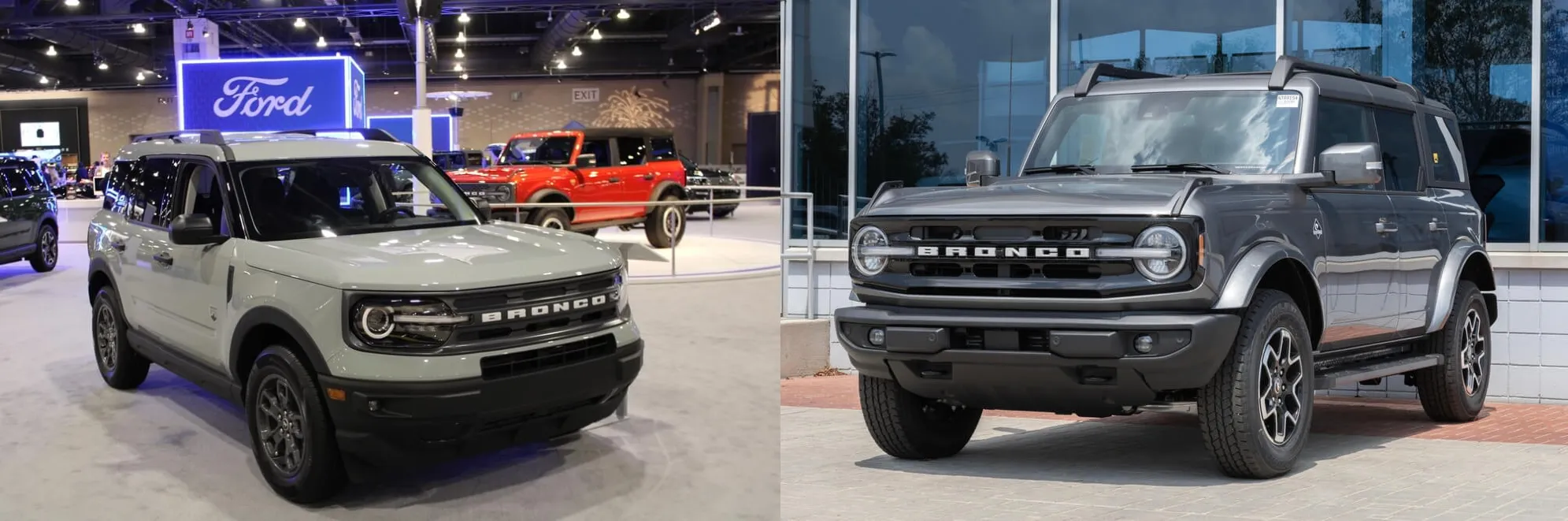
ford-bronco-vs-bronco-sports

Bronco vs. Bronco Sport: What's the Difference? | John Kennedy Ford

Ford Bronco Sport vs. Bronco: What's the Difference? It's one of the most common questions we hear at John Kennedy Ford of Conshohocken: what's actually different between the Ford Bronco Sport and the full-size Ford Bronco? They share a name, a retro-inspired design language, and an adventurous spirit, but underneath the similar looks, these are two genuinely different vehicles built for different types of drivers. Here's a complete breakdown to clear up the confusion once and for all. Quick Comparison: Bronco Sport vs. Bronco Starting MSRP — Bronco Sport: $33,840 | Bronco: $40,495 Platform — Bronco Sport: unibody (car-based), shares its architecture with the Ford Escape | Bronco: body-on-frame, purpose-built off-road chassis Doors and Roof — Bronco Sport: fixed doors and roof | Bronco: removable doors and roof, hardtop or soft top Standard Engine — Bronco Sport: 1.5L EcoBoost Turbo I3, 181 hp / 190 lb-ft | Bronco: 2.3L EcoBoost Turbo I4, 300 hp / 325 lb-ft Top Available Engine — Bronco Sport: 2.0L EcoBoost Turbo I4, 250 hp / 277 lb-ft (Badlands) | Bronco: 2.7L EcoBoost V6, 330 hp / 415 lb-ft (Raptor goes to 418 hp) Transmission — Bronco Sport: 8-speed automatic only | Bronco: 7-speed manual (with dedicated crawler gear) or 10-speed automatic Max Towing — Bronco Sport: up to 2,700 lbs | Bronco: up to 4,500 lbs (Raptor) Max Cargo Volume — Bronco Sport: up to 65.2 cu ft | Bronco (4-door): up to 146.5 cu ft Trim Levels — Bronco Sport: 4 trims (Big Bend, Heritage, Outer Banks, Badlands) | Bronco: 7 trims (Base, Big Bend, Outer Banks, Badlands, Heritage Edition, Stroppe Edition, Raptor) The Biggest Difference: What's Underneath This is the single most important distinction between these two SUVs, and it explains almost every other difference on this list. The Bronco Sport is built on a unibody platform — the same basic car-based architecture used by the Ford Escape — which makes it more compact, easier to park, and more car-like to drive around town. The full-size Bronco, on the other hand, uses a true body-on-frame design, the same fundamental construction method used by serious off-roaders and pickup trucks. That body-on-frame architecture is what allows the Bronco to offer removable doors and a removable roof, something the Bronco Sport's unibody construction simply doesn't support. Size, Power, and Everyday Practicality The Bronco Sport is the more compact, efficient, and budget-friendly option, starting at $33,840 with a standard turbocharged three-cylinder engine that's well-suited to daily commuting and light trail use. Every Bronco Sport comes standard with 4x4 and up to five G.O.A.T. Modes (Goes Over Any Type of Terrain), giving it genuine light off-road credibility in a package that's easy to live with every day. The full-size Bronco starts higher at $40,495 but delivers significantly more capability across the board: more standard horsepower (300 hp vs. 181 hp), more available power at the top of the lineup (up to 418 hp in the Raptor versus 250 hp in the Bronco Sport Badlands), more towing capacity, and dramatically more cargo space in four-door form. It also offers a genuine 7-speed manual transmission with a dedicated crawler gear — something you won't find anywhere in the Bronco Sport lineup, which is automatic-only. Which One Should You Choose? If you want a more affordable, easy-to-park SUV with genuine light off-road ability, standard 4x4, and lower running costs for daily commuting around Conshohocken and the Main Line, the Bronco Sport is the smarter choice. If you want the full open-air experience with removable doors and roof, serious trail capability, a manual transmission option, and significantly more power and cargo room, the full-size Bronco is built for you. Both wear the Bronco name proudly — they're just built for very different adventures. See Both Broncos for Yourself Visit John Kennedy Ford of Conshohocken to test drive the Bronco Sport and the full-size Bronco side by side. View Bronco Inventory View Bronco Sport Inventory Schedule a Test Drive Proudly Serving Conshohocken and the Surrounding Communities John Kennedy Ford of Conshohocken is a convenient destination for Bronco and Bronco Sport shoppers throughout Montgomery County and the greater Philadelphia area. We're proud to serve drivers from: Conshohocken, PA West Conshohocken, PA Plymouth Meeting, PA Norristown, PA Blue Bell, PA Whitemarsh, PA Lafayette Hill, PA King of Prussia, PA Ambler, PA Villanova, PA Spring House, PA Fort Washington, PA No matter which of these communities you call home, our Conshohocken showroom is just a short drive away. Browse our full new Ford inventory or visit our homepage to learn more about financing, trade-ins, and current offers. Pricing, specifications, and third-party data referenced above are current as of publication and sourced from Ford.com, Edmunds, Kelley Blue Book, and TrueCar. Specs and pricing are subject to change by the manufacturer and may not include destination fees, taxes, title, or dealer charges. See John Kennedy Ford of Conshohocken for current pricing, incentives, and availability.

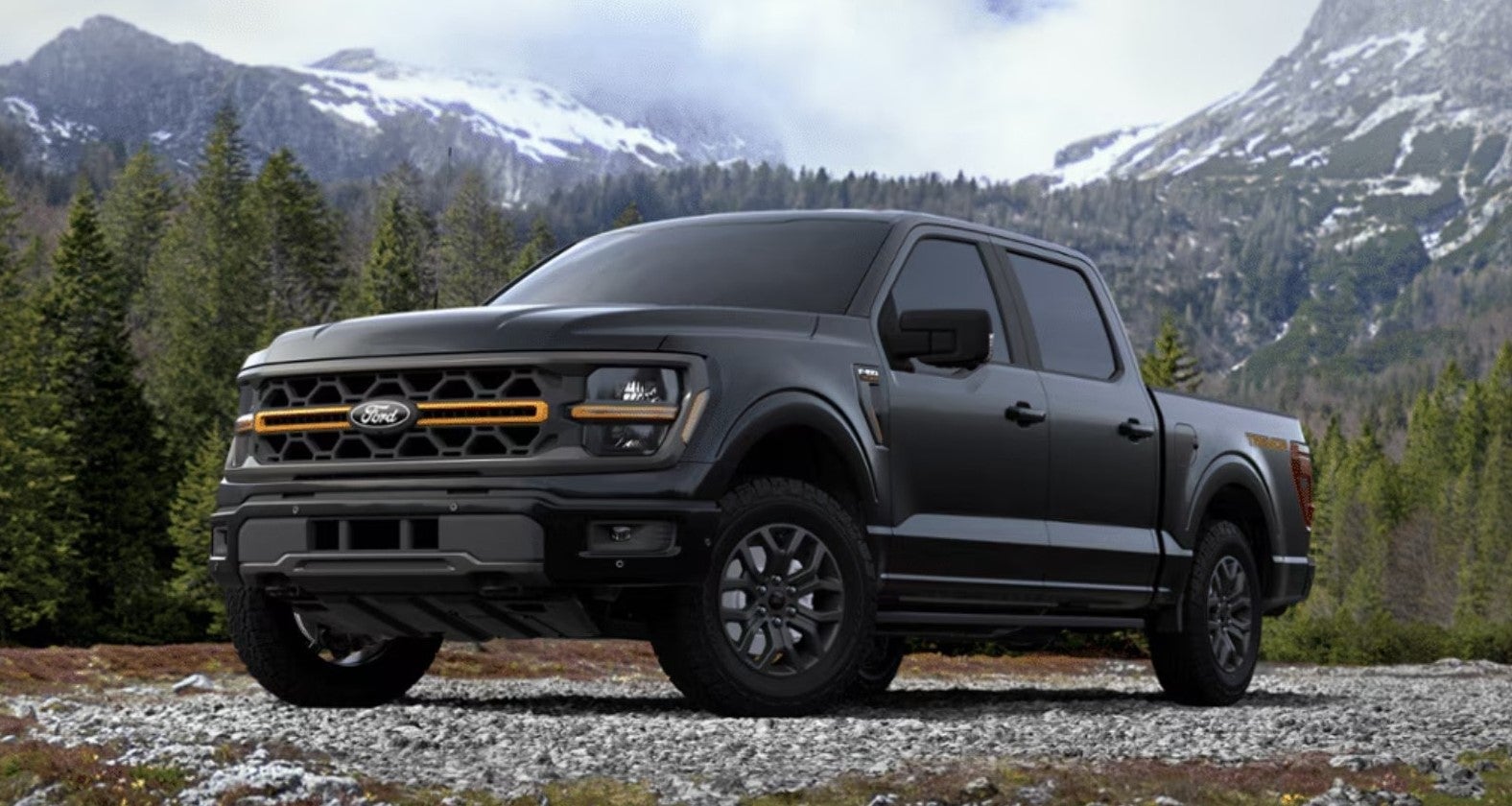
A black truck parked on a dirt road

Ford Raptor vs. Ford Tremor: What’s the Difference?

If you're shopping for a Ford truck that can tackle serious off-road adventures, you've probably stumbled across two names: Tremor and Raptor. Both promise rugged capability and trail-ready performance, but they're built for different kinds of drivers. The Ford Tremor vs Raptor decision really comes down to how you plan to use your truck and what matters most when you're behind the wheel. At John Kennedy Ford Conshohocken, we help buyers throughout the greater Philadelphia area understand these differences so they can make confident choices. Whether you need balanced versatility or extreme performance, we'll guide you to the right truck. more Tremor Raptor Understanding the Ford Tremor vs Raptor Difference The biggest difference between these two off-road packages is their core purpose. The Tremor adds off-road capability to Ford's trucks without sacrificing practicality for work and daily driving. It's designed for drivers who haul equipment during the week and hit the trails on weekends. The Raptor takes a completely different approach. This purpose-built performance machine is designed for high-speed desert running and extreme terrain. Every component is tuned for maximum off-road thrills, from the suspension to the powertrain. While both feature advanced 4x4 systems, the Raptor's setup is engineered specifically for aggressive, high-speed off-road conditions. What Is the Ford Tremor Package? The Tremor is Ford's middle ground between a standard F-150 and the all-out Raptor. This package bundles meaningful upgrades that transform your truck into a genuine off-road performer while maintaining F-150 practicality. You get upgraded suspension components, larger all-terrain tires, and specialized drive modes that optimize traction for different surfaces. The beauty of the Tremor is its versatility. Ford offers this package across its truck lineup, from the Ranger to the F-150 and Super Duty. The upgrades focus on real-world usefulness rather than maximum performance, making this an excellent choice when you need a truck that works as hard as it plays. View our Tremor inventory to see available configurations. What Is the Ford Raptor? The Raptor is a completely reimagined truck built for extreme performance. Ford engineers designed it for blasting through the desert at speeds that would damage most trucks. This isn't just an off-road package; it's a dedicated performance vehicle. The suspension system features specialized FOX components that allow incredible wheel travel and absorb punishment. Wider fenders accommodate massive tires and a broader track, improving stability during aggressive driving. Advanced terrain management systems and specialized shock absorbers support this extreme capability. This is the truck for serious enthusiasts who want a vehicle that handles the most challenging terrain while delivering an adrenaline-pumping experience. Explore our Raptor inventory to see these performance machines in person. Performance and Powertrain Comparison When comparing the Ford Raptor vs Tremor in terms of pure performance, the differences are clear. The Tremor offers solid powertrain choices that balance capability with efficiency, suitable for everything from towing trailers to navigating rocky trails. The Raptor elevates everything. Its engines are tuned for high output and rapid acceleration. The high-output turbocharged V6 delivers serious power, while the supercharged V8 in the Raptor R pushes performance into supercar territory. These engines are calibrated to deliver power when you need it most, whether you're climbing steep grades or powering through deep sand. Engine Options and Power Output Aspect F-150 Tremor F-150 Raptor Standard Engine 3.5L EcoBoost V6 (400 hp, 500 lb-ft torque) 3.5L EcoBoost High-Output V6 (450 hp, 510 lb-ft torque) Optional Engines 5.0L V8 available 5.2L Supercharged V8 (Raptor R: 720 hp, 640 lb-ft torque) Transmission 10-speed automatic 10-speed automatic The Ford Tremor provides flexibility with its engine options. The turbocharged V6 offers impressive power with better fuel efficiency for daily driving, while the V8 delivers traditional torque for towing and off-roading. Both are proven performers across various conditions. Raptor buyers prioritize performance over economy. The standard high-output twin-turbo V6 produces significantly more horsepower and torque than the Tremor, designed for sustained high-speed performance. The supercharged V8 in the Raptor R delivers race-level performance in a production truck. Off-Road Suspension and Capability Aspect F-150 Tremor F-150 Raptor Suspension Off-road tuned with 1.7-inch twin tube dampers Long-travel FOX adaptive shock absorbers; five-link rear Tires/Wheels 33-inch all-terrain on 18-inch wheels 35-inch all-terrain (or optional 37-inch) on 17-inch wheels Ground Clearance 9.4-9.7 inches 12.0 inches (higher with 37-inch tires) Key Off-Road Features Trail Control, Trail Turn Assist, locking diffs Baja Mode, advanced terrain management Towing Capacity Up to 10,900 lbs 8,200 lbs Payload Up to 1,885 lbs Up to 1,400 lbs Both trucks feature advanced off-road suspensions engineered for different experiences. The Tremor's suspension enhances comfort and control on pavement or dirt. It provides enough articulation to keep wheels planted on uneven terrain while maintaining a composed ride quality for daily use. The Raptor's suspension excels at high-speed desert running, thanks to specialized FOX Racing shocks and exceptional wheel travel. It absorbs massive impacts at speed and maintains stability even during aggressive driving that would seem reckless in other vehicles. Key Feature and Equipment Differences Category F-150 Tremor F-150 Raptor Dimensions Standard SuperCrew cabin, 5.5-ft bed; narrower profile Taller, wider, longer; same cabin/bed space Interior 12-inch digital gauge cluster, 12-inch touchscreen Adds Recaro heated leather seats, available head-up display Tech Pro Trailer Backup Assist, Trailer Sway Control, Integrated Trailer Brake Controller Premium audio (Bang & Olufsen), wireless charger, Wi-Fi hotspot Beyond powertrains and suspension, the Raptor vs Tremor comparison reveals distinct philosophies. The Tremor focuses on practical enhancements like locking differentials, skid plates, and all-terrain tires that balance off-road grip with on-road manners. The Raptor loads up with specialized features for serious off-road performance. The entire undercarriage is designed with clearance in mind. Wider fenders and aggressive styling serve a functional purpose, enhancing capability. Distinctive graphics and unique interior trim signal you're driving something special, while advanced technologies help tackle intimidating terrain. Our service department maintains both Tremor and Raptor trucks with factory-trained technicians who understand these specialized systems. Pricing and Value Analysis The Tremor vs Raptor price difference is significant and reflects their different missions. The Tremor package adds a reasonable amount to the base truck price, making serious off-road capability accessible. You're getting enhanced performance while paying something close to traditional truck prices. The Raptor commands a premium reflecting its specialized engineering and high-performance components. The Raptor R's supercharged V8 and extreme capabilities place it in a price category that approaches that of luxury sports cars. The standard Raptor delivers incredible performance at a lower price point, but still costs significantly more than a Tremor. Value depends on your priorities. Need a capable off-road truck that doubles as a practical daily driver and work vehicle? The Tremor delivers outstanding value. The Raptor's value proposition works for enthusiasts who prioritize maximum off-road performance and want a truck that stands out. The higher cost reflects genuine engineering differences. Explore financing options with our team to understand how either truck fits your budget. F-150 Tremor vs F-150 Raptor: Which Should You Choose? The F-150 Tremor vs Raptor decision isn't about which truck is better; it's about which matches your needs and driving style. Both are exceptional vehicles with distinct strengths. Your choice should reflect how you actually use your truck. Think about your typical week. Do you regularly tow heavy trailers? Haul equipment for work? Navigate city streets and parking lots? Take occasional weekend trips to mild off-road locations? Or are you planning regular high-speed desert runs, serious rock crawling, and challenging trail adventures where extreme capability matters more than practicality? When the Tremor Is the Better Choice The Tremor makes perfect sense when you need a truck that genuinely does it all. If weekdays involve work-related hauling and towing, the Tremor's enhanced capability doesn't compromise these core functions. Improved off-road performance means you can confidently tackle weekend adventures, rough job sites, or poor weather conditions. Budget-conscious buyers appreciate the Tremor's value proposition. You're getting meaningful off-road upgrades without premium pricing. The more understated appearance also appeals to professionals who want capability without aggressive styling. When the Raptor Is the Better Choice Choose the Raptor when off-road performance is your top priority, and you want a truck that handles terrain and speeds that challenge everything else on the market. This is for enthusiasts who regularly push their vehicles to the limit and need components engineered for extreme use. The Raptor also makes sense when you want your truck to make a statement. Its aggressive design and distinctive presence turn heads everywhere, and the performance backs up the looks. The premium price buys engineering and performance that competitors struggle to match. Tremor and Raptor Options Across Ford's Lineup Ford offers both packages across multiple models, giving buyers flexibility in size and configuration. The F-150 Tremor vs Raptor comparison is most common, but the Ranger Tremor vs Raptor discussion matters for buyers who want similar capability in a more manageable size. The Ranger Raptor brings high-performance off-road capability to a mid-size platform, while the Ranger Tremor offers enhanced capability with everyday practicality. This variety means you can match the package to your specific needs. Need Tremor capability in a smaller truck for easier maneuvering? The Ranger Tremor delivers. Want extreme off-road performance without full-size dimensions? The Ranger Raptor might be your answer. The Tremor lineup also extends to Super Duty models, offering up to 40,000 lbs of towing capacity for serious work applications. Find Your Perfect Ford Off-Road Truck at John Kennedy Ford Conshohocken At John Kennedy Ford Conshohocken, we help drivers throughout Conshohocken, the greater Philadelphia area, Norristown, King of Prussia, and Wayne find the perfect Ford truck for their lifestyle. Our experienced team can walk you through the specific features of each model, discuss your needs, and arrange test drives so you experience the differences firsthand. Whether you prioritize the Tremor's balanced versatility or the Raptor's extreme performance, we'll help you make the right choice. Visit our dealership at 1403 Ridge Pike in Conshohocken to explore our inventory. Contact our sales team at 267-215-4257 Monday through Friday from 9 AM to 8 PM, or Saturday from 9 AM to 5 PM. Stop by and discover which Ford off-road truck best fits your adventures.