
Blog / Reliability

Blog

All Reliability Local Ford Explorer Ford Bronco Ford F-150 How-to 2026 Ford Ranger Ford Escape Ford Expedition Towing Ford Edge Ford Maverick Ford Raptor Best Years Brand vs. Brand Ford Bronco Sport Ford Tremor Conshohocken Ford Dealer Conshohocken Ford Service Ford Accessories Ford F-250 Ford F-59 Ford Mustang Interior
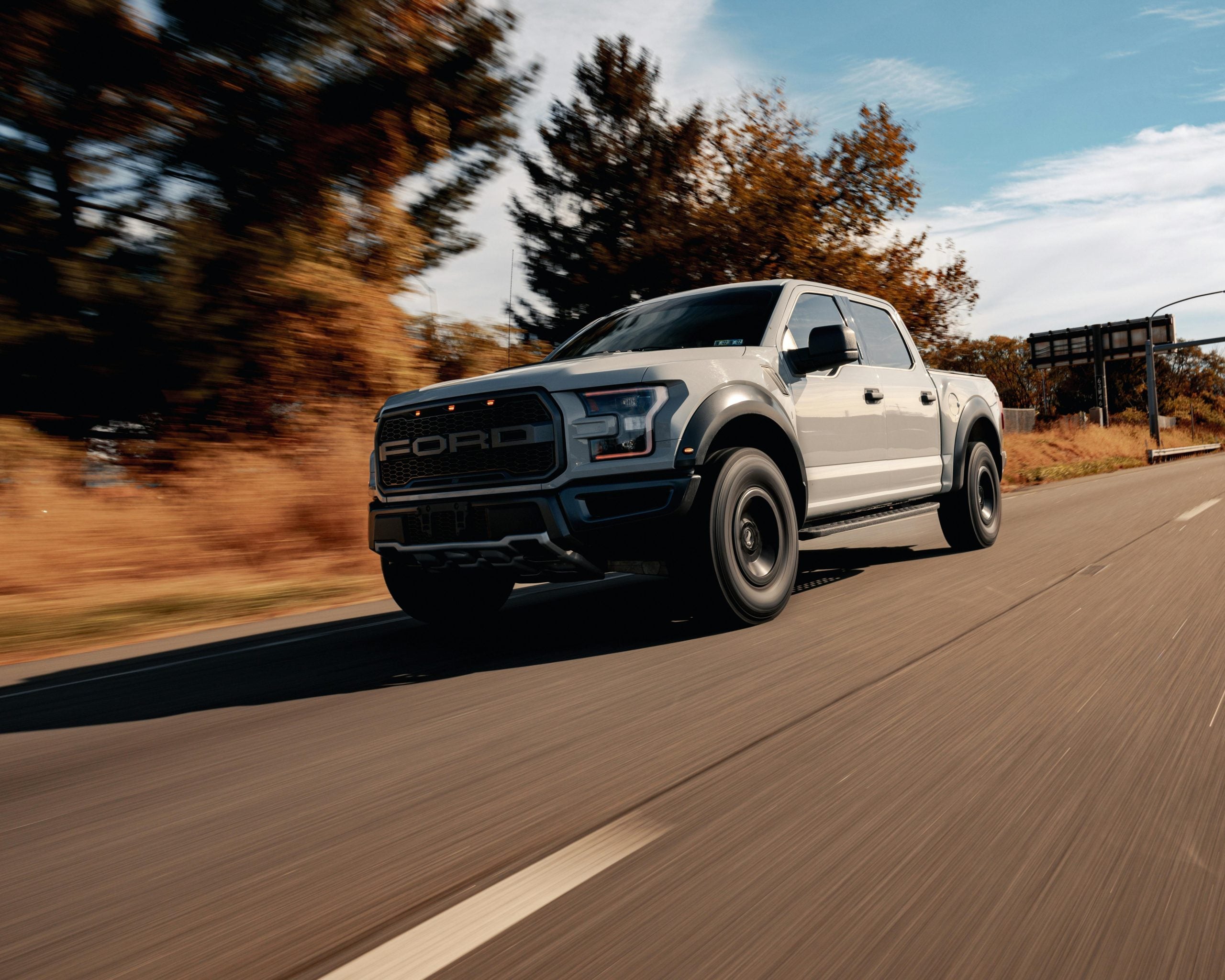
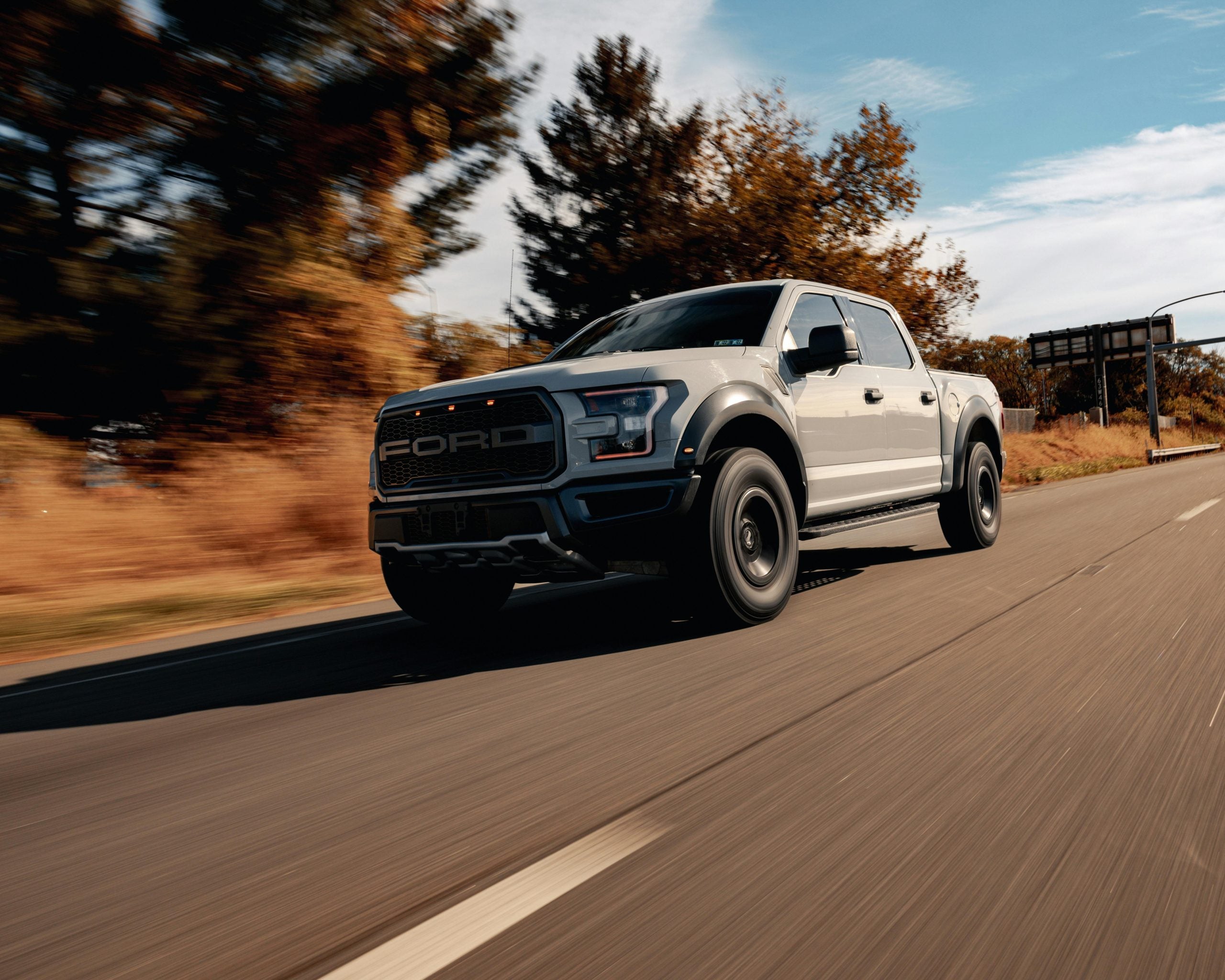
A Ford F-150 Raptor on the Road

Are Ford Trucks Reliable?

Navigating busy Conshohocken streets or hauling gear to Pennsylvania job sites demands a truck that won't let you down. So, are Ford trucks reliable? Our John Kennedy Ford Conshohocken team put together this information to answer that question and help you choose the right truck. more Ford Truck Inventory Understanding Ford Truck Reliability A truck's long-term performance hinges on all its parts working together seamlessly. Engine reliability is the primary factor, while transmission life, construction quality, electrical system stability, and overall design all matter greatly. Ford utilizes military-grade aluminum-alloy bodies combined with high-strength steel frames, resulting in trucks that weigh less yet last longer. This combination helps these trucks resist rust while remaining durable through years of hard work. Ford truck history includes some well-known issues, especially with EcoBoost engines, which were nicknamed "EcoBoom" due to overheating and valve problems. These difficulties affected approximately 90,736 trucks in 2021 and 2022, causing concern among many owners. However, Ford quickly switched valve materials and offered owners 10-year/150,000-mile added coverage with free check-ups, demonstrating its commitment to its trucks when problems arise. Ford trucks, particularly the F-150 and Super Duty series, have seen improvements in J.D. Power ratings, notably in the 2024 U.S. Initial Quality Study and the 2025 U.S. Vehicle Dependability Study. While Ford has faced criticism in the past, recent studies indicate a positive trend in initial quality and dependability. The Bronco Sport and Super Duty are currently the most reliable Ford trucks and have received awards for their performance. Recent years have shown Ford trucks climbing in quality scores. Reliability Ratings and Industry Assessments J.D. Power scores provide valuable insights into how trucks perform in daily use. They count problems per 100 trucks, with higher scores meaning fewer problems. Ford's reliability ratings have improved, with its ranking in the 2025 J.D. Power U.S. Vehicle Dependability Study, jumping 10 spots to 13th place. This study assessed the dependability of 2022 model year vehicles after three years of ownership. RepairPal adds another perspective by examining repair costs, the frequency of repairs, and their severity. Ford gets 3.5/5 stars overall, sitting 21st among 32 car brands. Ford vehicles cost approximately $775 per year to maintain, with F-150s running around $788 per year. That's less expensive than luxury brands and fair for trucks that handle tough jobs. The odds of needing major repairs are 15% for Ford vehicles, compared to an industry-wide average of 12%. This slight bump likely comes from the hard work many Ford trucks contend with, from construction hauling to pulling heavy loads. If you're a Montgomery County driver using trucks for daily drives and weekend projects, these numbers suggest Ford trucks give solid service without a lot of upkeep. Comparative Analysis: Ford vs. Competitors Let's look at truck reliability ratings. The Ram 1500 currently leads with an 89/100 J.D. Power score, surpassing the Ford F-150's 78/100 mark. Ram ranks third in long-term quality and first in initial build quality, areas where Ford falls short of the top three. J.D. Power scores the Toyota Tundra at 82/100 while the Tacoma lands at 79/100. Toyota's strong reputation for lasting trucks is well earned, but they often cost more upfront and offer different work capabilities than Ford's lineup. If you need maximum capability for towing or specific work tools, Ford trucks may offer better value for your money. While Ram leads in some quality charts, Ford's lower upkeep costs and extensive dealer network help long-term owners. Ford's constant improvements and quick response to problems, such as EcoBoost issues, demonstrate that it prioritizes making lasting trucks. Ford trucks remain solid options worth considering if you're a Pennsylvania driver seeking a balance of capability, affordability, and durability. Key Factors Affecting Ford Truck Reliability Today's Ford trucks have come a long way through design changes and new technology. The ninth-generation F-150 (2021-present) can tow over 11,000 pounds and offers high-tech and hybrid options. The eight-generation F-150 (2015-2020) introduced innovative aluminum bodies that reduced weight while maintaining strength and durability. These updates demonstrate how Ford continues to fine-tune its trucks based on the needs of real drivers. Regular maintenance matters most for your truck's long-term health. Gas engines typically perform well up to 100,000 miles, while diesels tend to remain reliable up to 200,000 miles. However, with proper upkeep, Ford trucks often surpass 200,000 miles — some 1940s and 1950s models are still running today. Ford trucks sold in Conshohocken come with dealer backing that helps reach this potential. Maximizing Your Ford Truck's Reliability Sticking to a solid maintenance plan makes all the difference in how long your truck lasts. Change its oil every 5,000-7,500 miles (about every three to six months), based on driving style and oil type. Replace the air filters every 30,000 miles, approximately every three years of normal driving. Transmission fluid should be changed every 60,000 to 100,000 miles, depending on your vehicle's usage. Ford's extra protection plans provide you with added peace of mind. These plans range from $1,500 to $7,000, with terms stretching up to 10 years or 175,000. You can choose from four plans: PremiumCARE, ExtraCARE, BaseCARE, or PowertrainCARE, all of which offer perks such as 24-hour roadside assistance and rental cars when needed. The basic factory warranty covers three years or 36,000 miles, accompanied by a five-year or 60,000-mile powertrain warranty. Getting work done at our John Kennedy Ford Conshohocken dealership does more than keep the warranty valid. Original Ford parts fit your truck perfectly and often outlast cheaper knockoffs. Booking regular checkups allows Ford-certified technicians to catch minor issues before they grow into costly problems. Following the factory's suggestions and using high-quality parts has a significant impact on how long your truck lasts and its value when you sell it. Test-Drive a Ford Truck at John Kennedy Ford Conshohocken Today Experience Ford truck quality firsthand by visiting John Kennedy Ford Conshohocken. Our team can guide you through all Ford's truck options, address your questions about longevity and maintenance, and help you find the right truck. Whether you're hauling work tools or planning a Delaware Valley camping trip, we'll help you see why so many local drivers choose Ford trucks for their most challenging jobs. Schedule a test-drive, view what's in stock, or use our convenient online contact form to talk with our truck experts about finding your ideal Ford truck.
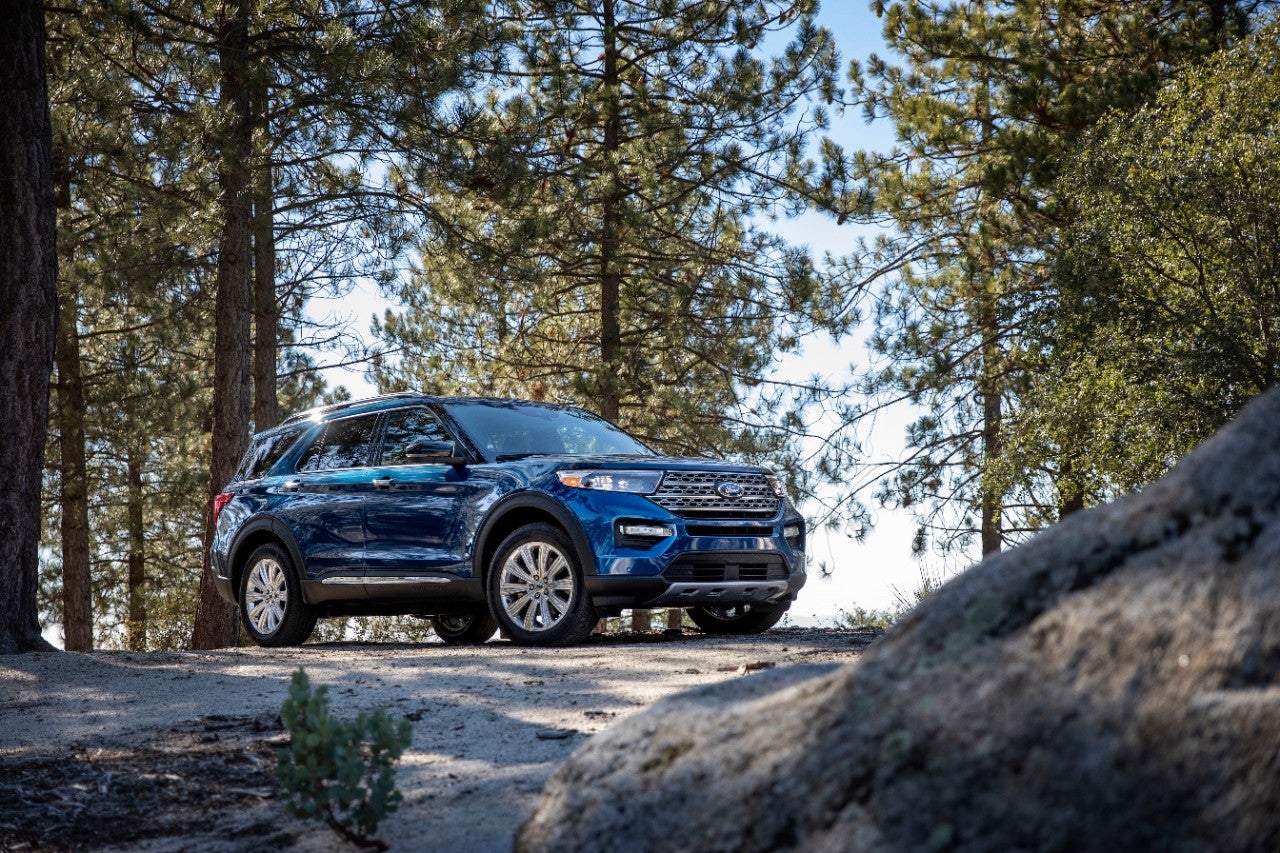
A blue 2020 Ford Explorer Limited parked on a rock in a forest

Most Reliable Ford Explorer Years to Buy Used

Since its launch, the Ford Explorer has become a firm favorite among SUV drivers in the U.S. With over 8 million units sold, it's clear that this adaptable vehicle has a loyal following. But let's be honest — not all model years are created equally when it comes to reliability. If you're shopping for a used Explorer, you'll want to know which years are the most dependable to avoid expensive breakdowns and repairs. more Used Explorer Inventory Understanding the Ford Explorer's Legacy The Ford Explorer made its debut in 1990 and quickly gained popularity as America's appetite for SUVs grew. Unlike its smaller predecessor, the Bronco II, the Explorer gave families ample room while still tackling both city streets and off-road trails with equal confidence. Over the past three decades, the vehicle has changed significantly, evolving to meet shifting consumer demands and keep pace with technological advancements. Through it all, Ford has successfully maintained the Explorer's relevance in a competitive market. Identifying the Best Years for the Ford Explorer The Explorer received a thorough refresh for the 2016 model year, with later fifth-generation models including a fuel-efficient 2.3L EcoBoost engine as standard that's paired with a reliable six-speed automatic transmission. They also include a suite of premium safety features previously found only in luxury vehicles. The interior offers comfortable seating, intuitive technology, and abundant storage space, which is ideal for families and adventurers alike. When properly equipped, these Explorers can tow up to 5,000 pounds — sufficient for most recreational needs. This combination of capability, reliability, and modern features makes later fifth-generation models an excellent choice for used SUV shoppers. Newer sixth-generation models (2020-present) maintain this trend, with the latest 2025 model earning 83/100 from J.D. Power for quality and reliability and a five-star NHTSA score. This generation offers improved performance and towing power. Also worth considering is the fourth-generation 2009 model, which is particularly notable for its low number of complaints on Car Complaints and a J.D. Power quality and reliability score of 85/100. How To Avoid the Less Reliable Ford Explorer Years Not all Ford Explorer model years perform equally well. The 2002 model, in particular, stands out for its number of negative reviews, with 3,617 NHTSA complaints and 3,967 Car Complaints reports, mostly related to transmission issues. Fixing a 2002 Explorer's transmission can cost you around $3,000 — a significant expense. Fourth-generation (2006-2010) models are known for developing timing chain issues, which can lead to engine failure. Plus, the third-generation 2005 Explorer was part of a huge recall involving over four million vehicles due to faulty cruise control switches that could potentially start fires. Add in frequent transmission failures and suspension issues, and it's clear why experts often warn buyers away from this year. What To Look For When Buying a Used Ford Explorer Research is crucial when buying a used Explorer. Always check the vehicle history report and maintenance records. Take a test drive, evaluate the vehicle's transmission shifting and suspension performance, and listen for any unusual sounds that might indicate underlying expensive problems. Investing $100 to $200 in a pre-purchase inspection by a qualified mechanic is your best protection against purchasing an unreliable vehicle. This small expense could save you thousands by revealing hidden issues and helping you to negotiate better on price. While well-maintained vehicles from problematic years can still perform adequately, you'll generally find more peace of mind with the reliable models mentioned earlier. Is the Ford Explorer the Right Choice for You? There's no doubt about the Ford Explorer's popularity. With around 200,000 sold annually, it remains one of the country's top-selling SUVs. Its blend of spacious interiors, capable performance, and modern features attracts families and outdoor enthusiasts alike. But is it right for you? That depends on your needs and driving habits. The best way to find out is to get behind the wheel. Contact us at John Kennedy Ford Conshohocken to arrange a test drive and explore our inventory. Our team can help match you with the perfect Explorer for your lifestyle, whether you want brand new or gently used.

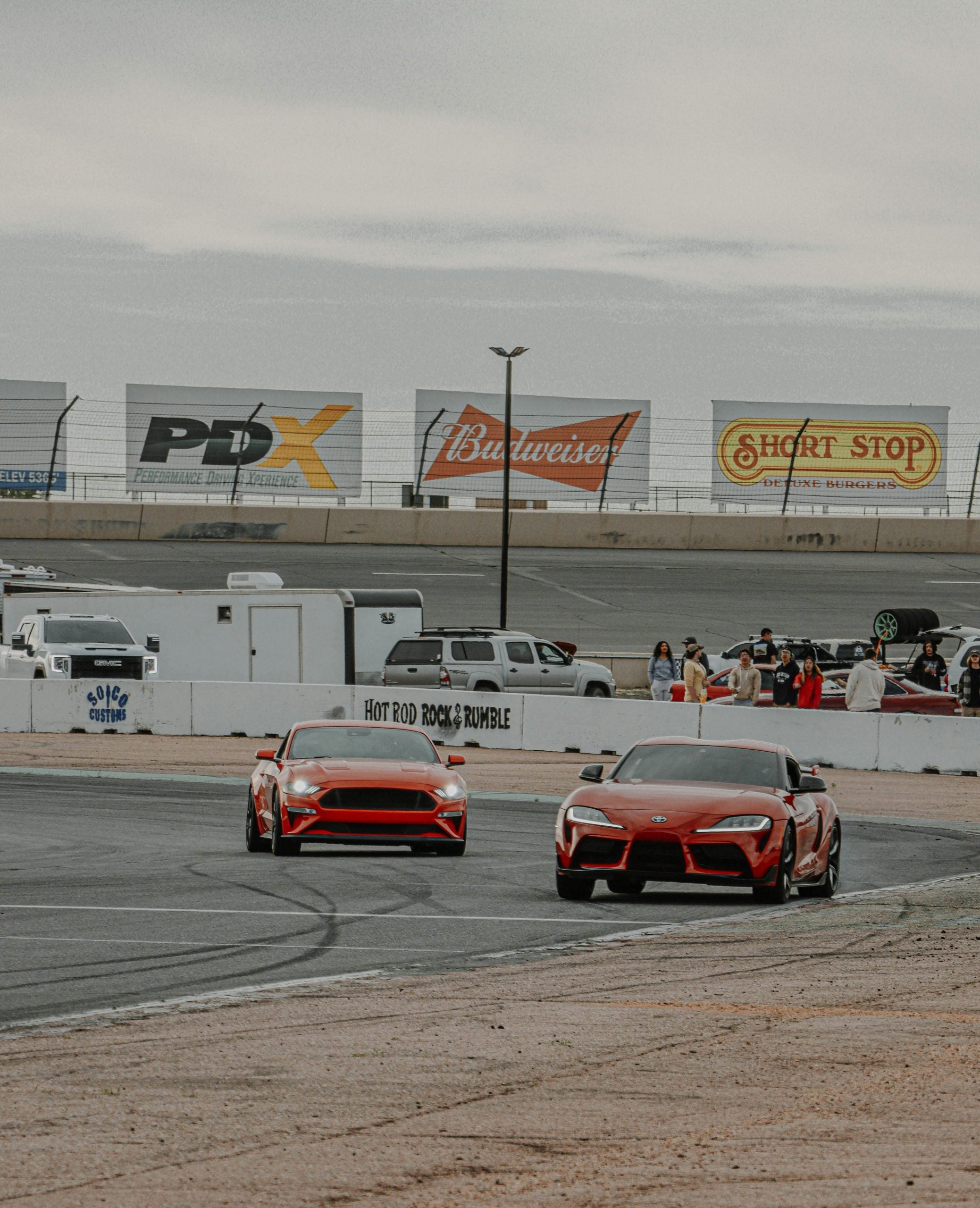
Exciting Car Race with Ford Mustang and Toyota Supra

Ford vs. Toyota Reliability: Why Smart Buyers Choose Ford

When you're buying a car, reliability matters — with cars these days more expensive than ever, finding one that will last is a key concern. Toyota has built a strong reputation for reliability over the years, and for good reason, but Ford has stepped up its game big time. The truth is that today's Ford vehicles are built differently. They're engineered for quality and durability, meaning the gap isn't just closing — often, Ford is leading the pack. So, why are Ford cars reliable? And when it comes to Ford versus Toyota, why are so many smart buyers choosing the blue oval? Let our team at John Kennedy Ford Conshohocken take you through the facts. more New Ford Inventory Manufacturer Specials Historical Reliability Toyota made its name in the U.S. in the 80s and 90s. Back then, American cars had some consistency problems. This created a perception that still lingers for a lot of people, but things have changed — over the last 10 years, Ford has transformed its approach to quality, completely reinventing its engineering and manufacturing standards. The results speak for themselves. Recent studies show Ford vehicles scoring above the industry average in reliability rankings. Toyota still makes dependable cars, but it's had its share of problems, too, with several major recalls affecting millions of Toyota vehicles. Build Quality and Engineering "Built Ford Tough" isn't just a catchy slogan — it's how these vehicles are made. Ford engineers use advanced materials science to gives their cars and trucks a real edge. Take the F-Series trucks. Ford turned to high-strength aluminum alloy, which other brands were slow to adopt, allowing engineers to make these trucks more durable while cutting weight. It's this kind of smart engineering that explains why Ford's reliability has improved so much. While Toyota plays it safe with small improvements, Ford makes bold moves that pay off in the long run, creating vehicles that stay reliable year after year. You can check out our entire lineup of Built Ford Tough cars, trucks, and SUVs in our inventory of new vehicles. Durability Testing What happens before a car hits our lot is critical in making sure it's ready for you to drive it home. Ford's testing program is seriously intense, pushing vehicles to limits far beyond normal driving. At its Michigan proving grounds, Ford subjects its vehicles to brutal conditions. The Silver Creek test track compresses 10 years of suspension stress into just days, and testing goes on in temperatures ranging from 40 below zero to 120 degrees. Before it gets to you, Ford makes sure your vehicle can handle far more than the streets of Conshohocken have got in store for it. Toyota tests its vehicles too — but not quite like this. We think this explains why Ford owners report so few unexpected issues. Their cars were built to handle much more than daily driving will ever throw at them. Longevity and Maintenance Want to know about true reliability? Look at vehicles with over 100,000 miles on the clock. A huge number of Ford F-150 trucks sold in the last 20 years are still going strong despite the mileage they've racked up — that matches or beats Toyota's famous longevity. Maintenance costs tell an interesting story, too. Toyota used to have a clear advantage here, but that's not true anymore, with 5-year maintenance costs between similar models, such as the Ford Escape and Toyota RAV4, now almost identical. We see customers trading in Fords with 200,000 miles or more that still run smoothly. That's real proof that these vehicles last and that those drastic tests aren't for nothing — when it comes to extreme conditions, Ford's engineering makes the difference. Technology Reliability Cars today are rolling computers, where tech reliability matters just as much as the durability of mechanical parts. Ford's SYNC system has become one of the most stable and user-friendly systems around, with a longer development background than Toyota's Entune. Ford also jumped on Apple CarPlay and Android Auto integration earlier than Toyota, showing its commitment to keeping you connected. This matters because you interact with these systems every day. Ford aggressively updates its software, too, giving you a tech experience that actually improves over time instead of feeling outdated after a few years. Customer Satisfaction Engineering specs only tell part of the story — when it comes to reliability, owner experiences reveal the truth. Recent J.D. Power studies show Ford vehicles score higher than Toyota in initial quality. Even more telling are the long-term responses. Our customers often tell us how surprised they are by their Ford's reliability — they expected good but got great. This real-world feedback confirms that Ford reliability is the real deal. Protection You Can Count On Ford stands behind their vehicles with comprehensive warranty coverage. Every new Ford comes with a solid 3-year/36,000-mile bumper-to-bumper warranty and a 5-year/60,000-mile powertrain protection plan. Need more coverage? Ford offers optional protection plans that extend up to 8 years or 150,000 miles. Their roadside assistance runs 5 years or 60,000 miles, giving you peace of mind wherever you drive. Ford's extended service plans, called Ford Protect, are tailored to your needs. Select the plan that is right for you when buying your new Ford. Make the Reliable Choice With John Kennedy Ford Conshohocken The reliability gap between Ford and Toyota hasn't just narrowed — in many important ways, Ford has taken the lead. Through dedicated engineering, extensive testing, and a commitment to continuous improvement, Ford vehicles now offer the dependable performance that today's drivers demand. Your new Ford is even more affordable than you think. Check in with our finance team to get pre-qualified with an online application. To experience this reliability revolution firsthand, visit us at John Kennedy Ford Conshohocken. Contact us today to schedule a visit or test-drive and ask our service technicians about the improvements they've witnessed in Ford reliability over the years.

dylan-mcleod--2OlRvLptR0-unsplash

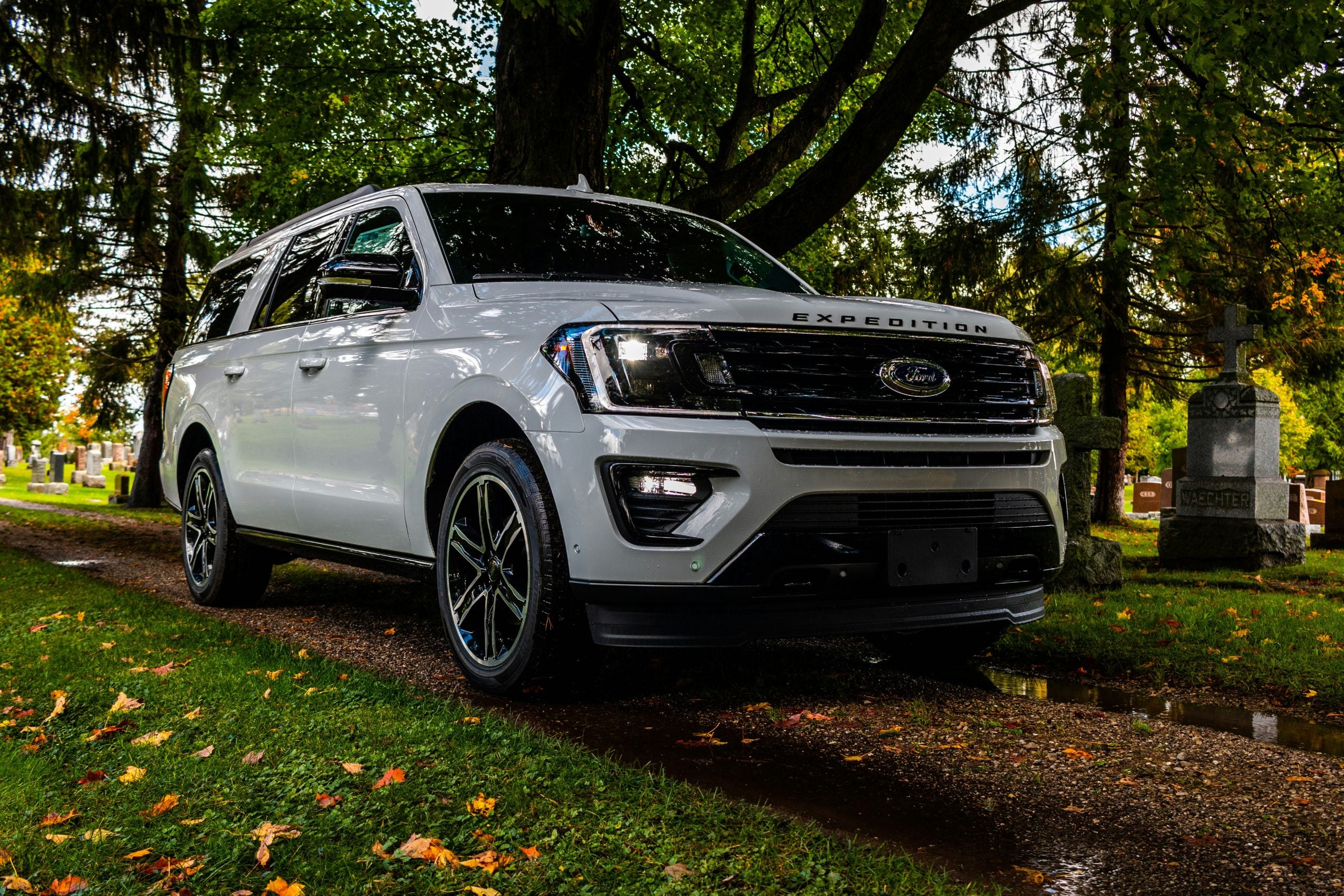
Is the Ford Expedition a Reliable SUV? What You Need to Know

The Ford Expedition is known for its bold performance, spacious interior, and go-anywhere attitude. Whether you're hauling the family across town or heading out for a weekend escape, it's designed to go the distance. But how does it stack up when it comes to long-term reliability? In this guide, we’ll break down reliability scores, maintenance insights, and standout model years—so you can shop with confidence. more New Expedition Inventory How Reliable Is the Ford Expedition? The Expedition continues to be a top contender in the full-size SUV category. According to RepairPal, it earns a 3 out of 5 for reliability, putting it in the upper-middle tier of its class. J.D. Power also gave the 2024 model a solid score of 75 out of 100 for quality and reliability. Here’s the good news: when properly maintained, Expeditions can last well beyond 200,000 miles. Recent models—especially from 2018 onward—have improved in build quality and performance, earning spots on iSeeCars' list of longest-lasting SUVs. That means more miles, more memories, and fewer worries. Maintenance & Ownership Costs Like most full-size SUVs, the Expedition does come with some expected maintenance costs—averaging around $861 per year. That’s slightly above the segment average, but not by much. The silver lining? Owners typically experience fewer unscheduled repairs compared to competitors, with most major fixes needed only once every five years. Stay on top of routine service, and the Expedition proves to be a smooth, low-stress ride year after year. What Are the Most Common Issues? No vehicle is without flaws, but Ford has continued to address common concerns over the years. Older models (especially 2003–2006) were more prone to issues like ignition coil or sensor malfunctions. In contrast, newer models—particularly those from 2018 to 2019—have far fewer reported problems and have earned top safety ratings. If you're shopping used, aim for those standout years to enjoy all the perks with minimal hassle. How Does the Expedition Compare? When measured against rivals like the Chevy Tahoe and GMC Yukon, the Expedition holds its own. It may not always top reliability charts, but it shines in areas like interior tech, towing power, and off-road capabilities. It’s this well-rounded versatility that keeps families and adventurers coming back. Safe, Strong, and Smart Beyond reliability, safety is a top priority—and the Expedition delivers. Later-generation models boast strong crash-test ratings and come equipped with advanced driver-assist features, including: Adaptive cruise control Lane-keeping assist Blind-spot monitoring Combine those with a reinforced frame and modern safety engineering, and you’ve got a full-size SUV designed with your family's protection in mind. Top Ford Expedition Years to Look For Shopping used? Here are some of the best model years to consider: 2017 – Low repair costs and solid dependability 2018–2019 – Excellent reliability scores and modern safety tech 2010 – Fewer recalls and consistent performance Try to avoid older models from 2003–2006, which had more frequent issues. Keep Your Expedition Running Like New The Expedition thrives when properly cared for. Here are a few simple maintenance tips to help maximize your investment: Change the oil every 3,000–5,000 miles Use high-quality synthetic oil—especially for EcoBoost engines Rotate tires and inspect the battery every 6,000 miles Replace the air filter and check hoses around every 15,000 miles Pro tip: If you're buying used, a pre-purchase inspection is always a smart move. Final Verdict: Should You Buy a Ford Expedition? Absolutely—especially if you're looking for a capable SUV that balances space, strength, and long-term value. While earlier models had a few rough spots, today’s Expeditions are built to perform and made to last. With the right care, it’s a vehicle that can serve your family well for years to come. Ready to experience it for yourself? Browse our current Ford Expedition inventory and schedule your test drive today!

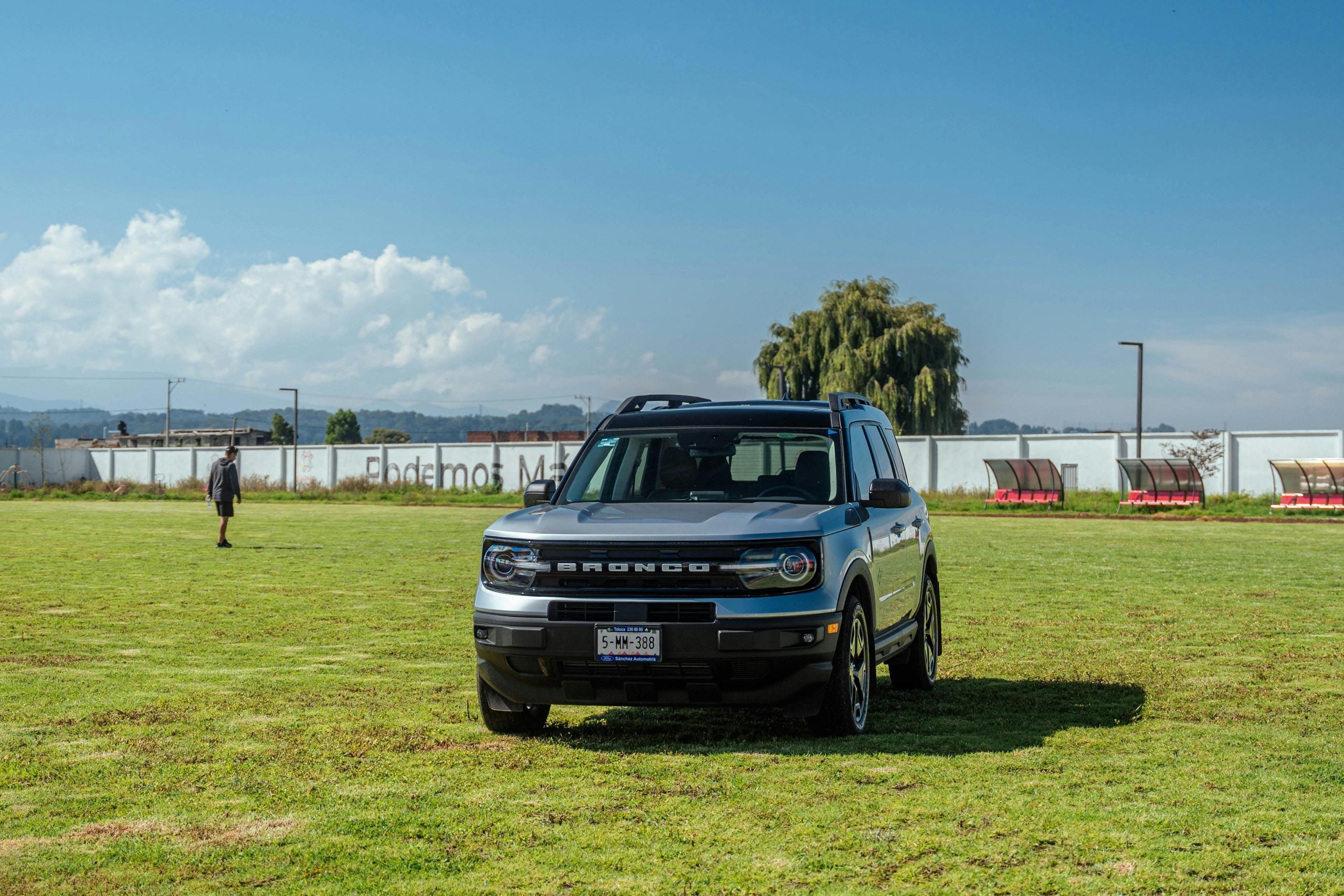
Silver Ford Bronco on Football Pitch

Is the Ford Bronco Reliable?

Ford is one of the top auto manufacturers, and the Ford Bronco has earned a reputation as a rugged, adventure-ready SUV. Whether you're considering a new model or a vintage classic, understanding the Bronco's dependability is key. From engine performance to long-term durability, various factors influence its reliability. Our John Kennedy Ford Conshohocken team invites you to explore the reliability of the Ford Bronco. more New Bronco Inventory What Does Reliability Mean for a Vehicle? Reliability in a vehicle refers to its ability to perform consistently without frequent breakdowns or significant repairs. A reliable car starts when needed, runs smoothly under various conditions, and requires minimal unexpected maintenance. Key factors influencing reliability include engine durability, transmission performance, electrical system stability, and overall build quality. Reliability also affects ownership costs, as dependable vehicles typically have lower repair expenses. Automakers and third-party organizations measure reliability through customer reports, industry testing, and long-term performance data. For buyers, a reliable vehicle provides peace of mind, ensuring safety, efficiency, and longevity on the road. Ford Bronco Reliability Ratings From Trusted Sources The Ford Bronco has garnered attention for its performance and design, with respectable reliability ratings from multiple sources: Consumer Reports predicts that the 2025 Bronco will have about average reliability based on data from the 2022 and 2023 models. Edmunds' expert testing team rated the 2024 Bronco 7.9 out of 10, and consumer reviews averaged four out of five stars. Kelley Blue Book reports that 87% of owners awarded the 2024 Bronco a perfect five-star rating, with 95% recommending the vehicle. These ratings highlight the overall satisfaction with the Ford Bronco, and you can confidently consider these insights alongside your specific needs. The Bronco's strong performance and reliability make it an excellent option if you're seeking a versatile, adventure-ready vehicle. Conducting thorough research will ensure it fits your lifestyle and driving preferences perfectly. Ford Bronco vs. Competitor Models The Ford Bronco has emerged as a strong contender in the off-road SUV market, surpassing the Jeep Wrangler and Toyota 4Runner in key reliability metrics. While all three vehicles offer rugged performance and off-road capability, the Bronco's modern engineering and improved dependability give it the edge. Here's a closer look at each vehicle: Ford Bronco: The Bronco benefits from Ford's latest technology and engineering advancements, reducing common mechanical issues and improving long-term dependability. Its modern design and updated components offer greater reliability than those of its competitors, making it a solid choice for off-road enthusiasts. Jeep Wrangler: While the Wrangler remains an off-road icon, its reliability issues are well-documented, including complaints about electrical problems, transmission failures, and steering issues. While enthusiasts appreciate its rugged design, owners may face costly repairs and maintenance. Toyota 4Runner: The 4Runner is known for its long-term durability, but its aging platform and outdated technology hold it back. With a design that has remained largely unchanged for over a decade, it lacks the refinements and efficiency of the Bronco. Factors Affecting the Ford Bronco's Reliability Understanding factors influencing the Ford Bronco's reliability can help you make informed maintenance decisions. Some key factors include: Engine durability: Ford's modern engineering enhances longevity and reduces mechanical failures. Transmission performance: Smooth-shifting and sturdy construction contribute to long-term dependability. Electrical system stability: Advanced technology minimizes common electrical issues. Off-road features: Goes Over Any Terrain, or G.O.A.T., modes and electronic differentials add complexity but improve capability. Maintenance and driving conditions: Regular upkeep and moderate driving extend reliability. Software updates and recalls: Ongoing improvements enhance performance and fix potential issues. By considering these factors, Bronco owners can maximize reliability and confidently enjoy adventure and everyday driving. Engine and Transmission Performance The 2025 Ford Bronco's powerful engine and transmission options are perfect for off-road adventures and daily driving. It features a standard 2.3-liter turbocharged four-cylinder engine producing 300 horsepower, with an available 2.7-liter twin-turbo V-6 generating 330 horsepower for added capability. The Bronco's 10-speed automatic transmission ensures smooth shifts and optimized power delivery, while the available seven-speed manual enhances control for off-road enthusiasts. Ford's engineering refinements continue to improve reliability, reducing past concerns about transmission hesitation and turbocharger longevity, making the 2025 Bronco an even more durable and capable SUV. Maintaining Your Ford Bronco for Longevity Maintaining your Ford Bronco is essential for ensuring its longevity and peak performance. Regular maintenance not only helps extend the lifespan of your vehicle but also keeps it running smoothly. Here are some key tips: Oil changes: Change the engine oil every 5,000 to 7,500 miles to ensure optimal performance. Tire care: Rotate tires every 6,000 to 8,000 miles to promote even wear and extend tire life. Brake inspections: Have your brakes inspected regularly for safety, especially after off-roading. Fluid checks: To prevent engine damage, monitor and top off fluids, including transmission, brake, and coolant fluids. Air filter replacement: Replace air filters every 15,000 to 30,000 miles to maintain engine efficiency. Routine maintenance typically costs between $100 and $300 per visit, depending on the services required. Special care, such as off-road equipment checks, may incur higher fees. By following these regular maintenance practices, you can keep your Ford Bronco running at its best and ensure a long-lasting, dependable vehicle. Who Should Consider the Ford Bronco? The Ford Bronco is a versatile and rugged vehicle, appealing to many drivers. It's perfect for off-road enthusiasts who love tackling challenging trails, sand dunes, or muddy terrain. The Bronco also suits those with active lifestyles, offering ample cargo space and towing capacity for camping, hiking, or biking gear. Families will appreciate its spacious interior and safety features, while classic car enthusiasts will admire its retro design and modern technology. The Bronco provides extensive customization options, catering to those who want a vehicle that fits their unique style and needs. Whether you're seeking adventure, practicality, or iconic design, the Ford Bronco has something for everyone. Visit John Kennedy Ford Conshohocken Today When you're ready to take the latest Ford Bronco for a test-drive, contact our knowledgeable team at John Kennedy Ford Conshohocken. We're ready to answer your questions, give you a tour of our available inventory, and review financing options. You can also schedule a test-drive online. Visit us at 1403 Ridge Pike in Conshohocken, Pennsylvania, from 9 a.m. to 8 p.m. Monday through Friday or 9 a.m. to 5 p.m. on Saturday. Call us at 267-215-4257 or complete our secure online form to get started.

A Ford F-150 Raptor on the Road

Ford vs Chevy Reliability: Choosing the Right Brand for You

The Ford vs. Chevy rivalry has been continuing for over a century. Since buying a car is a big investment, reliability is key. In this article, our John Kennedy Ford Conshohocken team analyzes the reliability of Chevy vs. Ford to help you make the best choice for your next ride. more New Ford Inventory Manufacturer Specials Reliability Rating Overview Reliability ratings help you understand the performance of different models over time. These ratings examine factors such as breakdown frequency, repair costs, and technology system efficiency. Organizations such as J.D. Power and Consumer Reports gather data from thousands of car owners to compile these ratings. J.D. Power's Vehicle Dependability Study is one of the most respected sources for reliability info. They survey owners of 3-year-old vehicles to evaluate the problems they've had. Consumer Reports also does extensive testing and surveying to rate car reliability. Other useful sources include CarComplaints.com, which collects owner-reported issues, and RepairPal, which focuses on repair costs. Ford Reliability Analysis Since Ford has experienced reliability fluctuations in the past, it's made significant improvements in recent years. Some Ford models, such as the F-150 truck, have become known for their durability. The brand has worked hard to fix past issues and increase the dependability of its cars. Ford's most reliable vehicles include the following: Ford F-150: America's best-selling truck for over 40 years Ford Fusion: A solid midsize sedan with good reliability scores Ford Escape: A popular compact SUV that's shown improved reliability Ford still has room for improvement. Some models have exhibited transmission issues or infotainment glitches. For example, the Ford Explorer has received more complaints than some of its competitors in recent years. Chevy Reliability Analysis Chevrolet has built a reputation for producing reliable vehicles, especially in its truck lineup. In recent years, Chevy has consistently ranked higher than Ford in overall reliability ratings. Their focus on improving build quality and technology integration has paid off. Some of Chevy's most reliable models include the following: Chevrolet Silverado 2500 HD and 3500 HD: Known for their durability Chevrolet Bolt EV: Highly rated for reliability in the electric vehicle segment Chevrolet Equinox: A dependable compact SUV option Although some Chevy models have faced criticism for interior quality issues or electrical problems, the brand has maintained a strong reputation for reliability across its lineup. Direct Comparisons in Key Vehicle Categories A direct Ford vs. Chevy comparison in various key vehicle categories can help you make an informed decision. Compact Cars: Ford Focus vs. Chevrolet Cruze Both the Ford Focus and Chevrolet Cruze are popular choices in the compact car segment. The Focus has experienced some transmission issues in past models, while the Cruze has generally received better reliability ratings. Both cars have their strengths, with the Focus often praised for its handling and the Cruze for its fuel efficiency. Midsize Sedans: Ford Fusion vs. Chevrolet Malibu In the midsize sedan category, both the Fusion and Malibu offer good reliability. The Fusion has been noted for its smooth ride and variety of powertrain options while the Malibu has received praise for its comfortable interior and fuel economy. Reliability-wise, they're fairly evenly matched, with a slight rise in popularity for the Malibu in recent years. Full-Size Trucks: Ford F-150 vs. Chevrolet Silverado The F-150 and Silverado are the flagships of their respective brands. Both trucks have strong reliability records, with the F-150's aluminum body giving it an edge in rust resistance. The Silverado, especially its heavy-duty versions, has consistently earned high-reliability ratings. It's a close race, with personal preference often being the deciding factor. Compact SUVs: Ford Escape vs. Chevrolet Equinox In the popular compact SUV segment, the Escape and Equinox both offer good reliability. The Escape has improved in recent years, addressing earlier concerns. The Equinox has maintained a solid reliability reputation throughout its recent generations. Both offer good fuel economy and comfortable rides, making them strong contenders in this crowded market. Full-Size SUVs: Ford Expedition vs. Chevrolet Tahoe The Expedition and Tahoe are top choices if you need a large family hauler. Both offer robust powertrains and spacious interiors. The Expedition has received praise for its powerful engines and towing capacity. The Tahoe is known for its comfortable ride and spacious interior. Both have shown reliability improvements in recent years, with the Tahoe having a slight edge in long-term durability reports. Impact of Warranties and Customer Service on Perceived Reliability Warranties play a big role in the perception of a car's reliability. Both Ford and Chevy offer similar warranty coverage, including the following: Three-year/36,000-mile basic warranty Five-year/60,000-mile powertrain warranty Roadside assistance for five years or 60,000 miles Customer service can make a big difference in customer satisfaction. Both Ford and Chevy have large dealer networks, making it easy to find service. Individual experiences can vary widely depending on the specific dealership. Consumer Sentiment and Loyalty Analysis Brand loyalty is strong for both Ford and Chevy. Many buyers stick with the brand they know and trust. According to recent studies, both brands enjoy high loyalty rates, with Ford having a slight edge in customer retention. On social media, opinions are mixed for both brands. Ford fans often praise the F-150 and Mustang, while Chevy enthusiasts rave about the Silverado and Corvette. Common topics include fuel efficiency, technology features, and long-term reliability. Automotive experts generally view both brands positively. They often note Ford's innovation in areas such as turbocharged engines and aluminum body construction. Chevy receives praise for its consistent quality across its lineup and strong performance in reliability studies. Make Your Choice at John Kennedy Ford Conshohocken While both Ford and Chevy offer reliable vehicles, the best choice depends on your specific needs. Ford has made significant strides in reliability, especially with models such as the F-150 and Fusion. Chevy maintains a strong reputation for dependability across its lineup, particularly with its trucks and SUVs. If you're in Conshohocken, Pennsylvania, visit John Kennedy Ford Conshohocken. Our friendly staff can help you explore our reliable Ford models and schedule a test-drive to find the perfect fit for your lifestyle.

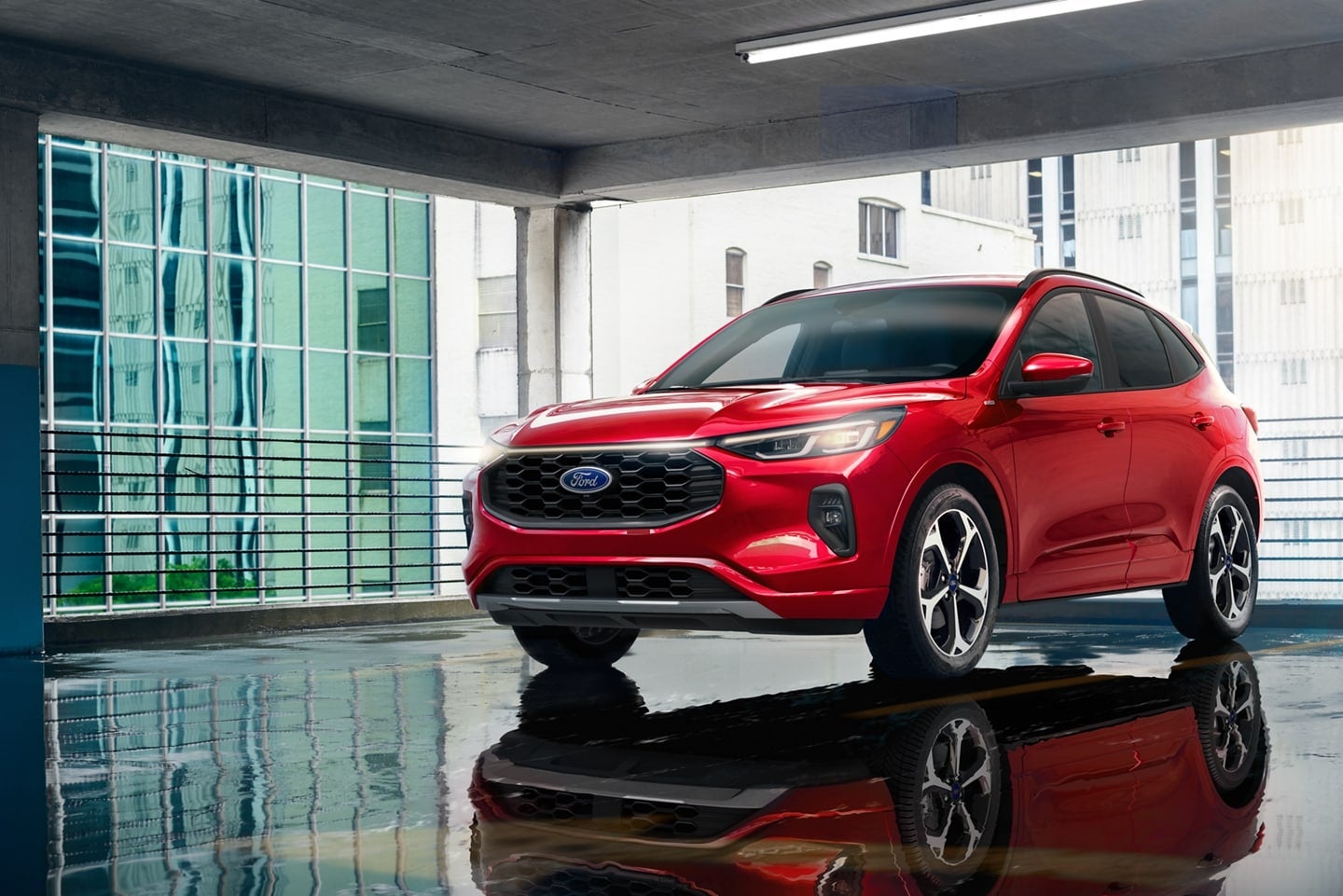
red ford escape

How Reliable is the Ford Escape?

You want a vehicle you can count on, so we're here to help you discover the truth about the Ford Escape 's reliability. We asked our expert team at John Kennedy Ford Conshohocken in Pennsylvania to provide insight, discuss common issues, and review helpful maintenance tips to improve dependability so you can make an informed decision on your next SUV. more New Escape Inventory Ford Escape Reliability by Year Over the years, the Ford Escape has proven slightly better than average with the rest of its compact SUV segment, logging 0.31 unscheduled repairs per year compared to the average 0.4 per year. The Ford Escape has an 11% probability of needing major repairs, which puts it on par with other compact SUVs. Let's look at the Escape's breakdown by recent model year. 2023 Ford Escape Ford redesigned its Escape SUV in 2023, earning it a quality and reliability score of 81 from J.D. Power. The 2023 Ford Escape has a consumer rating of 80 out of 100, ranking it seventh in its category. Your choice of engine has the most significant impact on reliability. 2022 Ford Escape J.D. Power scored the 2022 Escape 81 out of 100 in its quality and reliability ratings. U.S. News gave it a 7.9 out of 10 ranking and mentioned lackluster handling as its main weakness stemming from customer feedback regarding engine hesitation. 2021 Ford Escape For 2021, the Escape's rating from U.S. News dipped slightly to 7.8 out of 10. Consumer Reports gave the Escape a one out of five predicted reliability rating. 2020 Ford Escape Ford kicked off Escape's fourth generation with this model year, which saw the reintroduction of the hybrid powertrain. J.D. Power gave this year's Escape a rating of 72 for quality and reliability. If you're shopping for preowned Ford Escape models, the 2023, 2022, and 2019 have the best reliability ratings in recent years. U.S. News rated the 2018 model at 8.5 and the 2017 at 8.6 if you happen upon a slightly older Escape. In-Depth Analysis of Common Ford Escape Problems and Solutions Every vehicle from every manufacturer has issues that arise, whether that's a faulty switch, leaky hose, or something else. We've scoured the repair logs to compile a list of common Ford Escape problems and detail their solutions for you. Ignition Misfire Ford Escape models most commonly encounter misfiring ignitions caused by a failing ignition coil. Ignition coils typically last 129,000 miles. Failing ignition coils aren't common in that they fail often, but rather that they'll fail eventually. They cost around $100 to replace. Engine Hesitation Some models experience engine hesitation, described as sluggish or lagging when accelerating. This engine stumbling can lead to your check engine light illuminating and return error codes related to your engine, likely caused by a damaged exhaust gas recirculation valve. Replacing this costs around $200. Four-Wheel-Drive Transfer Case If you use your four-wheel drive often, the transfer case may fail eventually. This part typically lasts 125,000 miles, so it doesn't happen regularly. Sometimes, you may find replacing a seal and refilling the fluid helpful. Other times, it may require a complete replacement. Real Owner Insights: Ford Escape Reliability Stories We asked real owners to tell us their experiences with the Ford Escape. Here's what they said. 5 Stars — "White Escape Hybrid Titanium. Glad we decided on this instead of Rav4. It's a luxury car for us 'middle-weight' type people. Everything is fine...right now. More satisfied with the 2020 model than our 2016 titanium. Quiet, handles well, like switches, leather upholstery comfortable, visibility good, safety good, very good audio, and good grunt when needed. Driving 2/3's city and 1/3rd highways (2 lane mostly) currently averaging 42.2 mpg!" 5 Stars — "It's a bit different than my prior 2017 Escape, but the plug-in advantage is great! I got all my bells and whistles…" 4 Stars — "Our first PHEV. We purchased a 2015 C-Max and a 2018 C-Max, both regular hybrids, and achieved 40 mpg through 150,000 miles. Each time enjoying the newest technology. The Escape is a bigger car that feels more like a small truck and is very solid! The new adaptive cruise control with lane assist and distance spacing is awesome and makes road trips much easier. So far, it gets 40+ mpg when in auto hybrid mode. It is simply a beautiful car that is fun to drive past gas stations with!" 5 Stars — "I can only vouch for the Escape Hybrid I own. I purchased a new one four-plus years ago. I just passed 40K miles. Drive great, handles well, comfortable seats. 360 degrees is a huge plus, making driving safer. Reclining rear seats is a great addition. All problems have been minor. One thing to keep in mind is that the 12-volt battery is small, and if it is not at peak charge, the car can start dropping some amenities. I.e., the passenger side auto lock and unlock function. Ford replaced door locking parts when the battery was not holding peak charge. If you drive it, say 15 miles per day, it should not be an issue. Being retired, my car can sit for days. I would recommend the Escape hybrid. Family that have used it, love it." Frequently Asked Questions Below are some frequently asked questions about the Ford Escape. Does Ford Offer Warranty Protection on the Escape? Yes. Ford has a comprehensive warranty, with a three-year/36,000-mile limited warranty or a five-year/60,000-mile powertrain warranty. Does the Ford Escape Have All-Wheel-Drive? The standard Escape has front-wheel drive. You can also opt for four-wheel drive if you're after more control. Is the Ford Escape a Reliable SUV? Ford has a well-earned reputation for quality builds, and they stand behind every Escape with a comprehensive warranty package, which includes 24/7 roadside assistance should you experience any issues. Final Thoughts on Ford Escape's Reliability Escape models built before 2012 have run 200,000-300,000 miles with routine maintenance. At a 15,000-mile yearly average, that equates to a life span of 13-20 years. The key is to adhere to the recommended maintenance schedule. If you want to learn more about the latest Ford Escape, we invite you to shop our inventory online or speak with one of our SUV experts.

Contact Us

Fill out this form below and we'll contact you shortly
*Required Fields