
Blog / Best Years

Blog

All Best Years Local Ford Explorer Ford Bronco Ford F-150 How-to Reliability 2026 Ford Ranger Ford Escape Ford Expedition Towing Ford Edge Ford Maverick Ford Raptor Brand vs. Brand Ford Bronco Sport Ford Tremor Conshohocken Ford Dealer Conshohocken Ford Service Ford Accessories Ford F-250 Ford F-59 Ford Mustang Interior
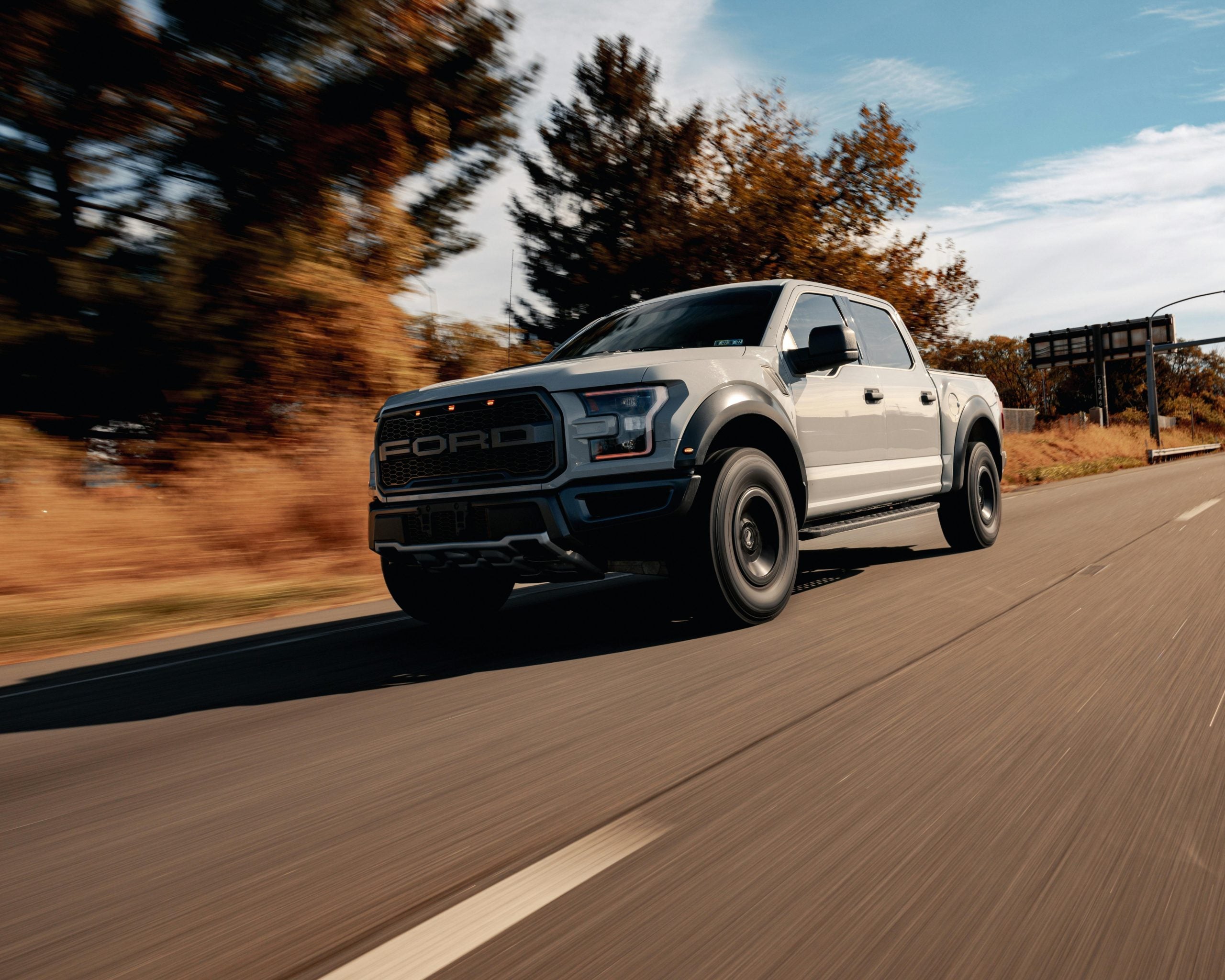
A Ford F-150 Raptor on the Road

Which Ford Raptor Years Are the Best to Buy?

Picking the right Ford F-150 Raptor comes down to understanding which model years offer the best mix of performance, reliability, and value. Since its 2010 debut, the Raptor has evolved dramatically, with each generation bringing major improvements. Whether you're shopping for your first high-performance off-road truck or looking to upgrade from an older model, knowing the best years can save you thousands and get you a truck that's built to last. more Raptor Inventory Quick Answer: Best Ford Raptor Years at a Glance The best Ford Raptor year really depends on your budget and what matters most to you. Here's what we recommend based on proven performance and reliability data: Generation Best Years Engine Power Output Key Strengths First (2010-2014) 2014, 2010 5.4L V8 (2010) / 6.2L V8 (2011-2014) 320 hp/390 lb-ft or 411 hp/434 lb-ft Proven durability, strong aftermarket support Second (2017-2020) 2019-2020 3.5L EcoBoost V6 TT 450 hp / 510 lb-ft Fox Live Valve shocks (2019+), cam phaser fixes (2020) Third (2021-Present) 2024+, 2021-2023 Carryover from Gen 2 450 hp / 510 lb-ft 37-inch tires, highest reliability ranking Looking at first-generation models? Stick with 2010 or 2014 trucks. They offer much better reliability than the problematic 2011-2013 years. For second-generation buyers, aim for 2019-2020 models. These represent the most refined versions with crucial updates. The third generation keeps getting better with each model year. Ready to find your ideal Raptor? Explore our current Raptor inventory to see what's available. First Generation Ford Raptor (2010-2014): The Original Off-Road Icon The first-generation Raptor years introduced the world to something new: a factory-built desert racing truck you could actually drive every day. These trucks came with a naturally aspirated 6.2L V8 making 411 horsepower (2010 used a 5.4L V8), Fox Racing shocks, and aggressive styling that made heads turn. The first-generation Raptor proved you didn't need extensive aftermarket modifications to get serious off-road performance. Why 2010 and 2014 Stand Out Among first-generation models, 2010 and 2014 are your best bets, despite the generation's overall reliability challenges. The 2010 model had its debut-year quirks but established the platform with solid fundamentals. The 2014 model represents the most refined version of the original formula. Ford had years of real-world data and owner feedback by then, which helped them address weak points. The middle years (2011-2013) present serious reliability concerns. The 2012 model year received the most complaints and is widely considered the worst year to buy. Both 2011 and 2013 also had elevated engine, transmission, and overall reliability issues, making them risky purchases. Finding a well-maintained 2010 or 2014 Raptor gets you a proven platform with strong aftermarket support. These trucks still turn heads today and offer that traditional V8 experience many enthusiasts prefer over turbocharged engines. Second Generation Ford Raptor (2017-2020): The EcoBoost Revolution Ford shocked the truck world by swapping the V8 for a 3.5L EcoBoost V6 in the second generation. Despite initial skepticism, the twin-turbo engine produced 450 horsepower and 510 lb-ft of torque, outperforming the first-generation V8 in every way that counts. The new engine also brought better fuel economy and weight savings, improving handling. This generation featured a fully boxed frame, upgraded suspension with even more wheel travel, and a 10-speed automatic transmission. Ford introduced an aluminum body that cut weight by roughly 500 pounds while maintaining strength. Technology jumped forward, too, with the Terrain Management System offering six drive modes, Trail Control for low-speed off-road crawling, and a more sophisticated four-wheel-drive system. Year-by-Year Improvements Here's how each second-generation model year evolved: Year Key Upgrades 2017 Aluminum body (-500 lbs), 10-speed auto, 6 terrain modes 2018 Minor refinements, aluminum oil pan 2019 Fox Live Valve adaptive dampers 2020 Improved shift points, cam phaser fix, metal oil pan, least negative feedback Why 2019-2020 Models Lead the Pack The 2019 and 2020 models are the best years for the second-generation Ford Raptor. These final model years incorporated improvements and refinements based on several years of customer feedback. The 2019 model added Fox Live Valve adaptive dampers that completely transform ride quality and capability. The 2020 model received critical cam phaser fixes and improved shift calibration, addressing concerns from earlier years. Both years represent the most sorted versions of the second-generation platform. Yes, pricing for 2019-2020 models stays higher than earlier second-generation trucks, but the improved reliability and features justify the premium. Third Generation Ford Raptor (2021-Present): Peak Performance and Modern Tech The latest generation builds on everything Ford learned from previous versions. The third-generation Raptor keeps the 3.5L EcoBoost V6 at 450 horsepower, with the available Raptor R model packing a supercharged 5.2L V8 that cranks out 700 horsepower. Reliability has been strong so far, with these trucks earning the highest rankings among all three generations. Modern technology defines this generation. The trucks feature a massive 12-inch touchscreen, digital instrument cluster, and Ford's Co-Pilot360 safety suite. The suspension received another round of improvements, including adaptive dampers that adjust to road conditions in real time. Interior quality took a big step forward with better materials and a more refined fit and finish. These trucks represent the current peak of factory off-road performance, offering features like over-the-air software updates, enhanced Trail Control, and 37-inch tires. They carry the highest price tags, but they also deliver the most capability and technology. Ford Raptor Years to Avoid and Why Not every model year offers the same ownership experience when shopping for a used Ford Raptor, but knowing the weaker years helps you zero in on the best candidates. Year Key considerations 2011 Known for some engine and transmission complaints compared with the stronger years. 2012 Carries the highest volume of owner complaints and a less refined overall driving experience. 2013 Shows more general reliability concerns than the most desirable model years. The 2012 model is generally the one to approach with the most caution, as it combines the highest complaint volume with the most notable reliability concerns. 2014 trucks can be a better choice than 2011–2013, but 2010 is typically the safer bet if you want fewer engine and transmission issues. In the second generation, early 2017 models occasionally had issues with the new 10-speed transmission, including rough shifting and software calibration problems. Ford addressed these concerns through updates, but later model years came with better-sorted transmissions from the factory. Pre-2020 models also used plastic oil pans and lacked the critical cam phaser fixes that arrived in 2020. Understanding which years to avoid helps you focus your search on more reliable options. Every used truck deserves individual evaluation, but starting with better years improves your odds of finding a solid truck. What to Look for When Buying a Used Ford Raptor Buying a used Ford Raptor requires more careful inspection than purchasing a standard F-150. These trucks often lead harder lives than typical pickups, with many owners taking them off-road regularly. Start by reviewing maintenance records carefully. A Raptor with documented oil changes, transmission services, and scheduled maintenance suggests an owner who took care of their investment. Check for signs of off-road damage, including bent or cracked suspension components, damaged skid plates, and frame damage. Look underneath the truck with a flashlight, examining the frame rails, differential, and exhaust system for impact marks or repairs. Even minor off-road contact can cause hidden damage that develops into expensive problems later. Test drive the truck at highway speeds and on rough roads. Listen for unusual suspension noises, vibrations through the steering wheel, or transmission shifting problems. The Raptor's sophisticated systems should operate smoothly without hesitation or strange sounds. Pre-Purchase Inspection Priorities A thorough pre-purchase inspection matters even more for high-performance trucks like the Raptor. Here are the critical areas to examine based on generation: Gen 1 Focus Areas: Fuse 27/lead frame, IWE system, body condition, fuel pump relay, steering cooler Gen 2 Focus Areas: Cam phasers (especially pre-2020), oil pan material (plastic pre-2020) All Generations: Fox shocks service history, engine/transmission leaks or noises, recall, and TSB verification Pay special attention to the four-wheel-drive system. Test all drive modes and verify that the system engages and disengages properly. The Fox Racing shocks should show no signs of leaking and should compress and rebound smoothly. Worn shocks significantly impact performance and cost thousands to replace. High mileage alone doesn't rule out a Raptor if it's been properly maintained. A truck with 80,000 miles and complete service records often makes a better purchase than a 40,000-mile truck with no maintenance history. Watch for red flags like dark, dirty oil indicating overdue changes, or brown transmission fluid suggesting neglect. Find Your Ideal Ford Raptor at John Kennedy Ford Conshohocken Finding the right Raptor means working with a dealership that understands these unique trucks. We offer an extensive selection of new and used Ford vehicles, including Raptors when available. Located at 1403 Ridge Pike in Conshohocken, Pennsylvania, we serve buyers throughout the greater Philadelphia area, including Norristown, King of Prussia, and Wayne. Our team brings nearly 70 years of automotive experience under the Kennedy name. This experience matters when shopping for a performance truck like the Raptor. Our knowledgeable sales staff can walk you through the differences between generations, help you identify the best years for the Ford Raptor based on your needs, and arrange test drives so you can experience each truck's capabilities firsthand. Our factory-trained technicians can perform pre-purchase inspections on used Raptors, giving you confidence in your buying decision. Our service department handles everything from routine maintenance to complex repairs using genuine Ford parts. Whether you're buying your first Raptor or upgrading to a newer generation, our comprehensive support ensures a worry-free ownership experience. Contact our team at 267-215-4257 to discuss your specific needs and schedule a test drive. Our service department operates Monday through Saturday for convenient maintenance scheduling. Reach out today to find your ideal Ford Raptor.
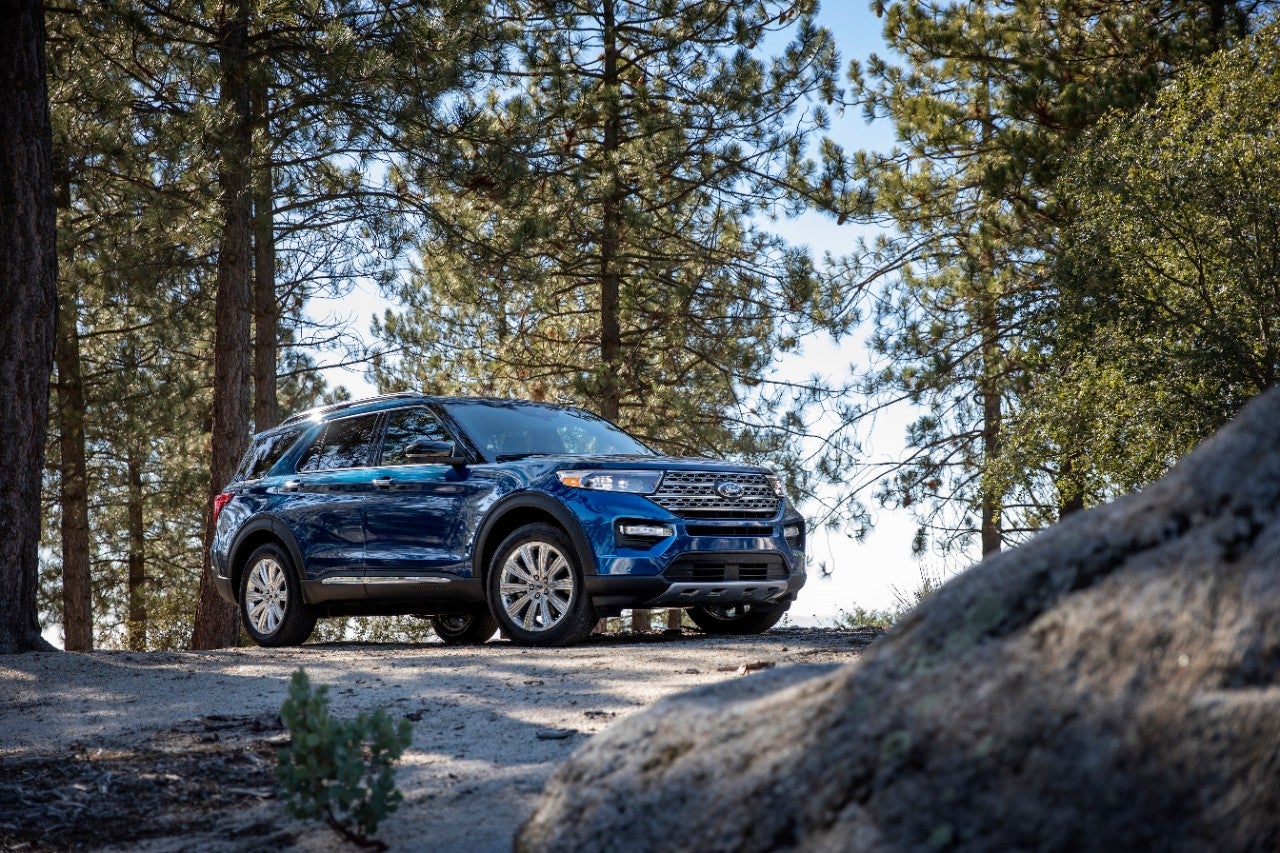
A blue 2020 Ford Explorer Limited parked on a rock in a forest

What Ford Explorer Years Are Best to Buy Used?

When you're shopping for a used Ford Explorer in the Conshohocken area, knowing which model years deliver lasting reliability makes all the difference between a confident purchase and costly repairs down the road. At John Kennedy Ford of Conshohocken, we've serviced hundreds of Explorers throughout their lifespans, which gives us real insight into which generations hold up best against Philadelphia winters, I-76 commutes, and everything suburban family life throws at them. Finding the best year for used Ford Explorer purchases really comes down to understanding three distinct generations and how they've aged. We'll walk you through the specific years that deliver the best value, which models fit different budgets, and how to choose options that offer dependable ownership and peace of mind. more Used Explorer Inventory Which Ford Explorer Model Years Are the Best to Buy? The reliability sweet spots for used Explorers cluster around three distinct periods. The 2009 and 2010 models from the fourth generation stand out for their proven track record. These models feature well-tested overhead-cam V6 engines and straightforward mechanical systems that our service team can maintain without drama. The 2017-2019 models represent the sweet spot of the fifth generation. By this time, Ford had resolved the early electrical issues and powertrain headaches that plagued 2011-2013 models. The 2019 Explorer particularly shines with refined technology, spacious interiors, and far fewer complaints than its early fifth-generation siblings. For buyers wanting the latest safety and convenience features, the 2021-2023 models deliver current-generation benefits. These newer Explorers earned a five-star NHTSA safety rating and often remain under factory warranty, providing peace of mind for growing families navigating busy Philadelphia-area roads. Generation Years Key Reliability Notes 4th Gen 2006-2010 Solid build, proven engines, timing chain maintenance critical 5th Gen 2011-2019 Early years problematic, 2017-2019 most reliable 6th Gen 2020-present Modern features, often under warranty, avoid 2020 first-year issues Top Recommended Used Ford Explorer Years by Buyer Need Different priorities call for different model years. Whether you're juggling budget constraints, hunting for modern technology, or looking for that reliability-to-value sweet spot, certain years align better with what you actually need. Best Overall Value: 2018-2019 Models The 2018 and 2019 Explorers hit that perfect balance between proven reliability and modern amenities. These final years of the fifth generation received Ford's accumulated improvements over nearly a decade of production, resulting in the fewest reported complaints of any fifth-generation years. You get standard features like rearview cameras, smartphone integration through Ford's SYNC 3 system, and available adaptive cruise control without paying new-car premiums. We've watched these models maintain strong resale values while delivering dependable service to families throughout Conshohocken and surrounding communities. Their powerful V6 engines handle highway merging confidently, while available all-wheel drive provides reassurance during winter weather on local roads. Best Budget-Friendly Choice: 2013-2015 Models Working with a tighter budget? The 2013-2015 Explorers offer reliable transportation at accessible price points. These mid-generation models benefit from Ford's fixes to early fifth-generation problems while staying affordable enough to fit most family budgets. The 2013 model marked a real turning point where Ford addressed many electrical and powertrain concerns that burned 2011-2012 buyers. These years offer comfortable seating for seven passengers, decent cargo space, and adequate power for daily driving. Sure, they lack some modern driver-assistance features, but they nail the basics: dependable engines, comfortable rides, and reasonable maintenance costs. For budget-conscious shoppers, they're smart entry points into Explorer ownership. Best for Modern Features and Safety: 2021-2023 Models Buyers prioritizing advanced technology and comprehensive safety systems should focus on 2021-2023 models. These sixth-generation Explorers feature standard Co-Pilot360 technology, including automatic emergency braking, blind-spot monitoring, and lane-keeping assist. The redesigned interior offers improved materials, a larger touchscreen, and enhanced connectivity options that younger families particularly appreciate. These newer models also deliver stronger towing capabilities, with properly equipped models capable of towing up to 5,600 pounds. Many remain under factory warranty, and those slightly older qualify for certified pre-owned programs with extended coverage. That's valuable protection for any used vehicle purchase. Ford Explorer Model Years That Require Extra Due Diligence Early 2000s Models: Know What You're Getting Into Some Ford Explorer model years are better suited for buyers seeking long-term dependability and lower ownership costs. For example, earlier models, such as the 2002 Explorer, accumulated a high volume of NHTSA complaints, largely related to transmission performance. As a result, shoppers focused on reliability may want to prioritize newer or more refined alternatives. Models from 2003 through 2005 continued to reflect challenges common to that generation, including transmission, suspension, and drivetrain concerns. These Explorers represent a period when aging engineering and evolving design standards impacted overall ownership satisfaction, making later generations a more appealing option for many buyers. Early Fifth Generation: 2011-2013 Moving ahead, the 2011 to 2013 Explorers mark the early years of the fifth generation. While these models introduced meaningful updates, some owners reported electrical and powertrain issues, and satisfaction scores lagged behind those of later versions. Similarly, the 2016 Explorer received mixed reliability ratings, suggesting that shoppers may benefit from considering surrounding model years with stronger track records. Sixth Generation: 2020 First-Year Considerations The 2020 Explorer highlights a common trend seen with first-year redesigns. While it brought major updates, early production challenges and recalls affected owner satisfaction. Choosing a slightly newer model year, such as 2021, allows buyers to enjoy the same modern features and technology with improvements informed by early feedback. Common Issues to Watch For in Used Ford Explorers Understanding generation-specific problems helps you inspect smartly and negotiate fairly when you find a promising Explorer. Transmission and Drivetrain Concerns Transmission problems rank among the most expensive issues with the Explorer. Early models, particularly the notorious 2002-2005 years, suffered from failures in the five-speed automatic transmission. Symptoms include rough shifting, slipping between gears, delayed engagement, or complete failure to move. Transmission repairs typically run $2,600-$2,750, making this a critical inspection point. Even some fifth-generation models experienced transmission concerns, though later years proved more reliable. During test drives, pay close attention to smooth shifting through all gears, both during acceleration and deceleration. Any hesitation, shuddering, or unexpected noises warrant professional evaluation before purchase. Engine and Timing Chain Problems The fourth-generation Explorers (2006-2010) equipped with overhead-cam V6 engines face a specific concern: weak timing chain tensioners. While these engines are otherwise reliable, failing tensioners can cause timing chain issues, leading to catastrophic engine damage if left unchecked. Service records showing proactive timing chain maintenance significantly increase these models' value and reliability. Listen for rattling noises during cold starts, which may signal timing chain wear. Verify that previous owners maintained proper oil change intervals, as neglected maintenance accelerates timing chain component wear. Our service team can inspect these systems thoroughly before you commit to any fourth-generation Explorer. What to Inspect Before Buying a Used Ford Explorer Verify Vehicle History and Recalls Smart pre-purchase inspection protects your investment and prevents surprises. Start by verifying the vehicle's history through services like Carfax or AutoCheck, and confirm there are no major accidents, flood damage, or salvage titles. Check that all NHTSA recalls have been completed (this step is essential for any used vehicle). Test Generation-Specific Systems For fourth-generation models (2006-2010), request service documentation proving timing chain maintenance. For early fifth-generation Explorers (2011-2016), thoroughly test all electrical systems: climate controls, power windows, infotainment systems, and dashboard displays. Electrical gremlins plague these years, and comprehensive testing reveals potential problems. Conduct Thorough Test Drives Take extended test drives covering various conditions: highway speeds, stop-and-go traffic, rough pavement, and tight turning. This reveals transmission behavior, suspension condition, and overall mechanical health better than brief neighborhood loops. Test the four-wheel-drive or all-wheel-drive system, if equipped (particularly important given Conshohocken's winter weather). Have any promising Explorers been inspected by qualified technicians, either independent mechanics or our service team at John Kennedy Ford of Conshohocken? Professional inspection uncovers issues invisible to casual buyers, from suspension wear to fluid leaks to computer diagnostic codes. The modest inspection cost prevents expensive mistakes. Finding a Reliable Used Ford Explorer in Conshohocken Shopping for a used Explorer in the greater Philadelphia area offers plenty of options, but choosing the right dealership matters as much as selecting the right year. We maintain an extensive selection of used Ford Explorers spanning multiple generations, each thoroughly inspected by our factory-trained service team before reaching our lot. Our nearly 70 years of automotive experience under the Kennedy name means we understand which Explorers deliver lasting value. We prioritize transparency about each vehicle's history, condition, and any service needs, helping you make informed decisions rather than pressured purchases. Every Explorer we sell undergoes a comprehensive mechanical inspection, so you can drive away confidently. Your relationship with us continues well beyond the initial purchase through our full-service maintenance department. Our technicians know Explorers inside and out, maintaining expertise across all generations from timing chain service on fourth-generation models to electrical diagnostics on fifth-generation systems. Ready to find your ideal used Ford Explorer? Browse our current inventory online, then schedule a test drive to experience your top choices firsthand. Our sales team will walk you through each model's features, history, and how it matches your specific needs (whether you're prioritizing budget, modern technology, or proven reliability). Visit us at 1403 Ridge Pike in Conshohocken, call our sales team at 267-215-4257 to start your Explorer search today.

Contact Us

Fill out this form below and we'll contact you shortly
*Required Fields