
Is your Ford struggling with jerky acceleration or unusual shifting? These frustrating transmission problems might have a simple fix. Resetting the transmission control module (TCM) can solve these headaches without an expensive trip to the mechanic. In this article, we'll walk you through three proven ways to reset your Ford's TCM yourself, which can potentially save you hundreds of dollars in repair bills and get your car running smoothly again.
Understanding Ford Transmission Control Module Reset: When and Why You Need It
The TCM in your Ford is like the brain of the transmission. It checks the speed, throttle position, and engine load to figure out the right shift points. It also keeps track of your driving habits and learns from them over time. But this data can get messed up or out of date, which can lead to sudden changes, delayed engagement, or gear changes that don't happen when they should.
Ford F-150s from 2020 to 2025 have had a lot of powertrain recalls. For example, 2020 models had problems with the gearbox position indicator, while 2021 trucks had problems with the control module. The cost of repairs ranges from $1,000 to $3,000. Common signs are four- to five-second delays while going from first to second gear, followed by sudden jolts that can make the tires spin dangerously even when the car is just going slowly. When you push the gas pedal down hard, cars usually shift normally, which means there are electronic problems instead of mechanical ones.
When you reset your TCM, it's like resetting your phone. It wipes out all the stored patterns and gives the system a fresh start. They work well for fixing electronic problems, but they won't address mechanical problems like worn clutches or valve bodies.
Step-By-Step Guide: How To Reset Ford Transmission Control Module
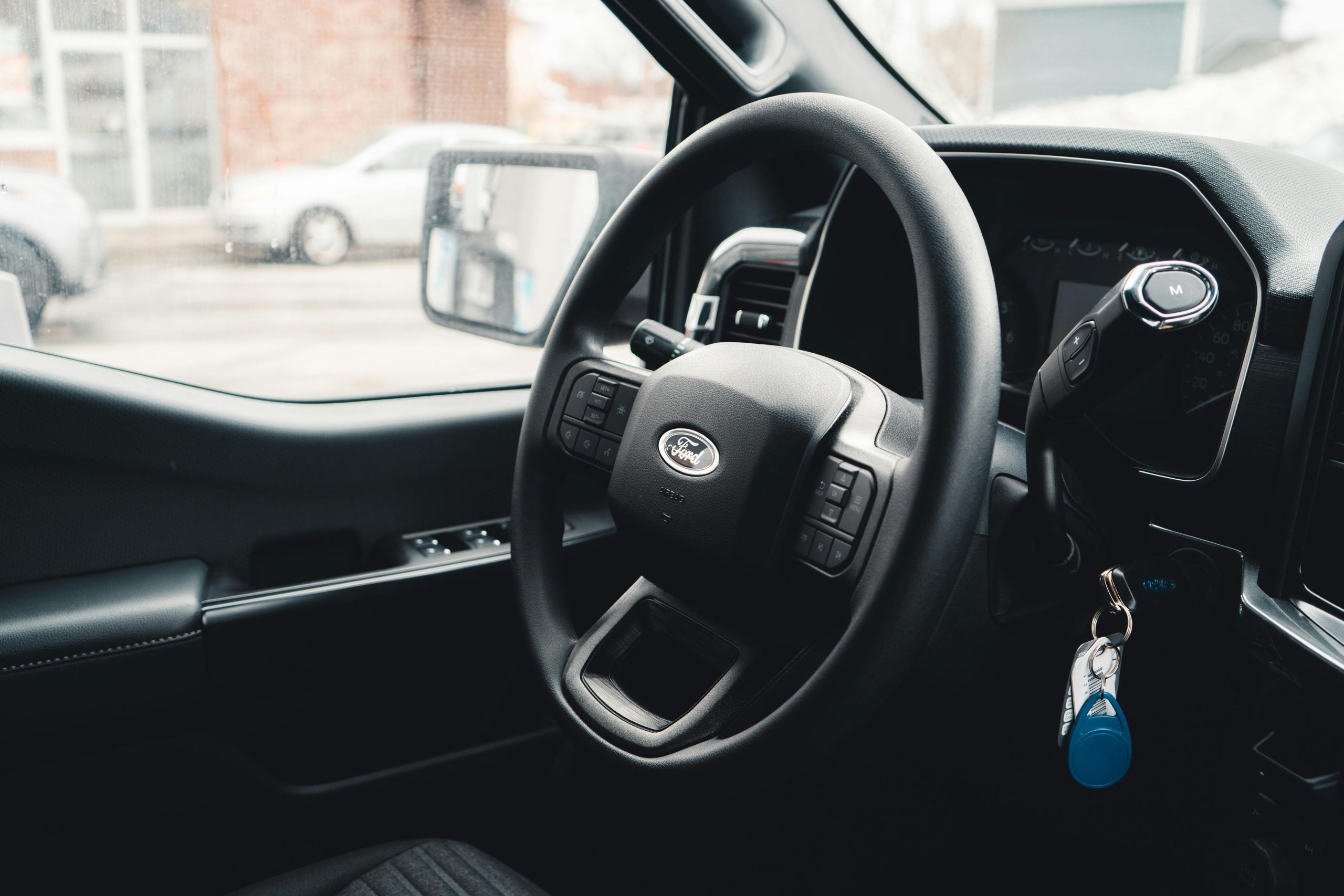
The basic pedal reset requires no tools. First, park on flat ground with the parking brake engaged, and turn the key so the dashboard lights come on without starting the engine. Press the gas pedal fully for 15-20 seconds, then while holding the pedal, turn the key off. Release the pedal and wait for two minutes before starting the engine.
The battery disconnect method works for thorough resets. Disconnect the negative battery terminal, which is marked with a minus, using a wrench. Press the horn for 30 seconds to drain residual power. Leave the battery disconnected for a minimum of 15 minutes. This forces all computers, including the TCM, to factory reset. Reconnect the battery securely and start the vehicle, making sure to allow it to warm up before driving.
For complete resets, OBD2 scanners are used. Professional scanners, such as the Innova 5610, offer more functions than budget DIY options but are more expensive. Connect the scanner to the OBD2 port (this should be under the dash near your left knee), then access the transmission menu and select Clear Adaptations or TCM Reset.
Ford Model-Specific Reset Procedures for 2025
While the basic reset methods work on most Fords, certain models have their quirks. F-150 trucks usually work well with all three reset approaches. Their electrical systems handle battery disconnects without drama, and the roomy engine area makes reaching the battery a breeze. Many F-150 owners claim that the basic pedal reset fixes their shifting issues. Fusion, Explorer, Ranger, and EcoSport models also generally respond well to standard reset tricks without any special tweaks.
Focus and Fiesta models, with the notorious PowerShift dual-clutch transmission, need special care. These transmissions have a history of serious TCM problems and typically need longer adaptation time after a reset. So don't panic if shifting doesn't feel right for the first 50-100 miles. If in doubt, open your owner's manual or ask a pro. Some newer Fords have extra security features that might affect how you reset the system.
Troubleshooting Common Reset Issues
Some Fords respond better to battery disconnects than pedal resets, while others need OBD2 scanners. If all three reset methods fail and problems persist, then you're dealing with mechanical issues, such as worn parts or low fluids.
Error codes reveal what the issue is. Common TCM codes include P0700 (transmission control system malfunction), P0715 (input/turbine speed sensor circuit problems), and P0722 (no signal from the output speed sensor circuit). Codes returning immediately after clearing indicate that professional help is needed.
TCM repair costs range from $300-$500, with complex cases reaching $1,500. Seek professional help if you've tried all reset methods unsuccessfully, hear grinding noises, spot fluid leaks, or smell burning odors. Multiple failed resets suggest a complete TCM failure. For complex issues, contact our experienced Ford technicians and schedule service with us at John Kennedy Ford Conshohocken.
Post-Reset Adaptation and Learning Process
Don't expect smooth shifts immediately after TCM resets, as your transmission needs relearning time. Initial symptoms, such as rough shifting or thumping sensations, are normal. Guided relearning with capable scanners takes 10-20 minutes plus a short road test. DIY resets need driving experience through light acceleration and braking cycles that allow natural gear progression. Avoid aggressive driving during the first 50-100 miles while establishing new baselines.
Drive gently during adaptation. Use smooth throttle inputs, consistent speeds, and automatic shifting rather than manual mode. Most owners see improvements within a week. As this process allows for optimization based on current conditions, many drivers report better performance due to corrupted data being cleared.
Prevention Tips: Maintaining Your Ford TCM Health
Prevention beats repair when it comes to TCM troubles. Ford Edge models with 8F57 transmissions need fluid checks every 30,000 miles or two years. Frequent towers should change their vehicle's fluid every 60,000 miles. Using the wrong transmission fluid causes TCM confusion and shifting problems, so always check your Ford's fluid specs before changing it.
Neglected maintenance, dirty or low transmission fluid, aggressive driving, and TCM issues will all cause your transmission to snowball over time. TCMs can also fail from excessive heat, bad sensors, or moisture exposure. Philadelphia's steamy summers and frigid winters put extra stress on your vehicle's electronics. Regular checkups can catch problems before you get stranded in Pennsylvania traffic.
TCM care isn't rocket science; just make sure to address small transmission issues immediately. Stick to Ford-approved transmission fluid and change it on schedule, even if it looks clean, and go easy during extreme conditions, such as bumper-to-bumper traffic, long idle periods, or heavy towing. For model-specific advice, check out our how-to guides to keep your transmission running smoothly.
Get Professional Ford Transmission Service When You Need It
When DIY fixes aren't working, don't wait until your transmission dies completely. Professional service provides advanced diagnostic tools, genuine Ford parts, and experienced mechanics to work on your vehicle.
Contact us at John Kennedy Ford Conshohocken for your next transmission service. Our technicians will fix your transmission troubles right the first time. We understand what makes your Ford tick and how to handle southeastern Pennsylvania driving conditions. Our team's Ford know-how can get you back on the road quickly and safely, whether you need a TCM reset or a serious transmission fix.